Supplements
Creatine, beta-alanine, caffeine, nitrates and the rest ranked by trial quality and effect size, with dosing, timing and third-party testing status stated.
Supplements
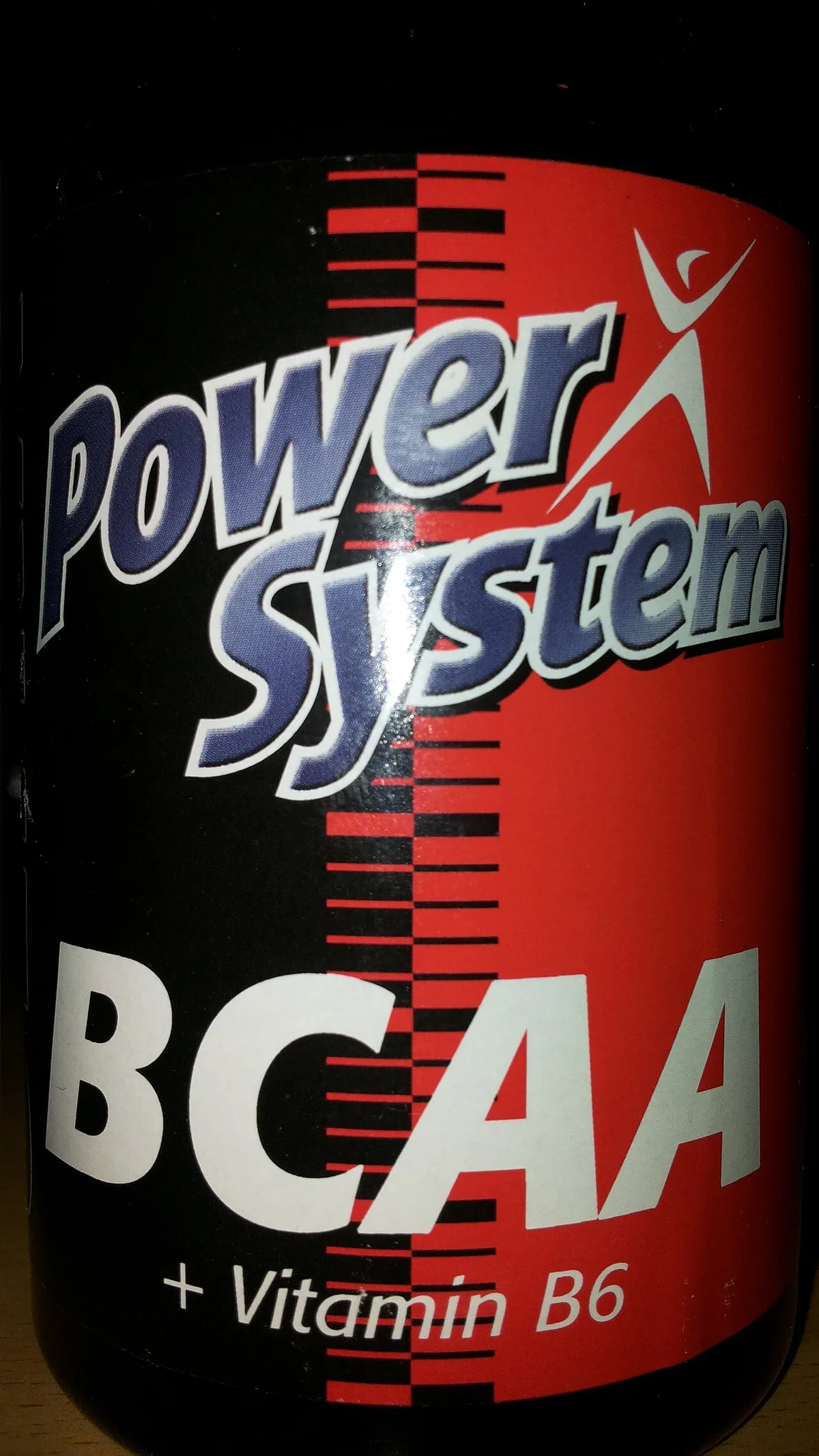
Most lifters already get enough BCAAs from whole protein. See what the research says about leucine, muscle growth, DOMS, and the cases where BCAAs earn a spot.
Supplements
Certifications, label tricks and filler red flags, explained plainly — and where the extra money actually goes.
Supplements
Supplements reach shelves without FDA approval, but they are not unregulated — here is what the FDA and NIH say manufacturers actually have to do, before and after a product goes on sale.
Supplements
Creatine is one of the few supplements with strong evidence behind it — for short-duration strength and power, in trained and untrained adults alike — and weaker evidence for the newer claims on its label frontier.
Supplements
Synthetic stimulants and plant-derived beta-2 agonists keep appearing in supplements labeled as natural — and both sport and regulators treat them as prohibited or unlawful.
Supplements
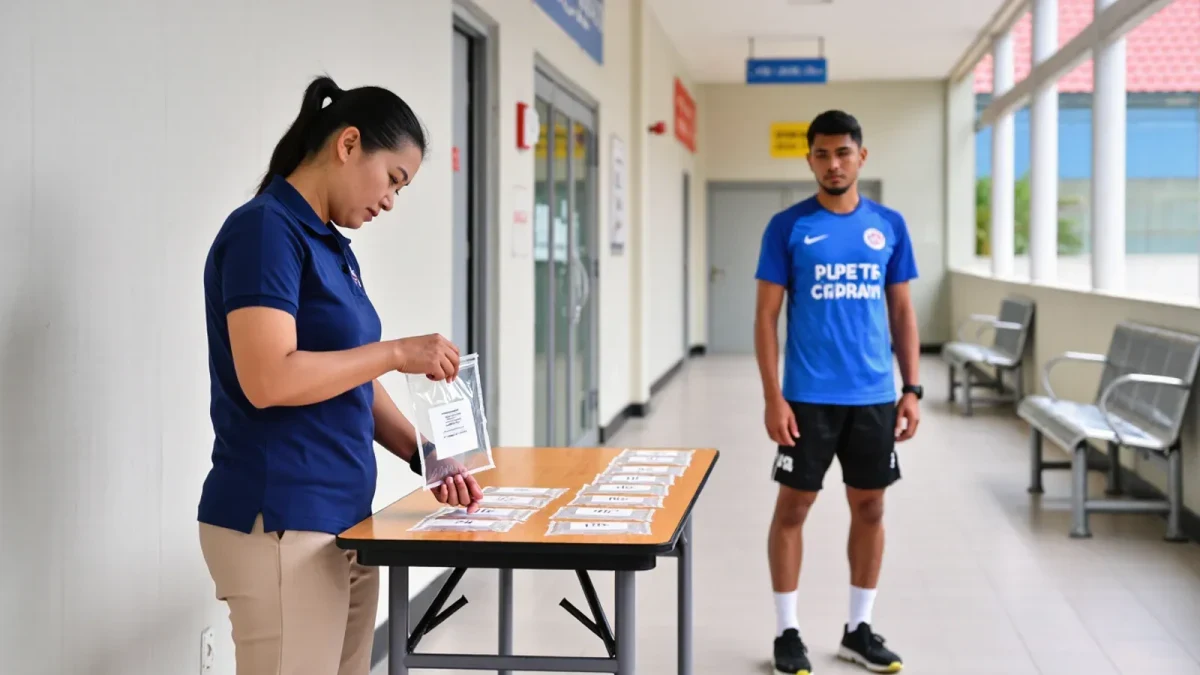
From a 2004 IOC-lab study finding undeclared prohormones in about 15 percent of samples to modern stimulant adulteration, contamination is documented, category-specific and manageable.