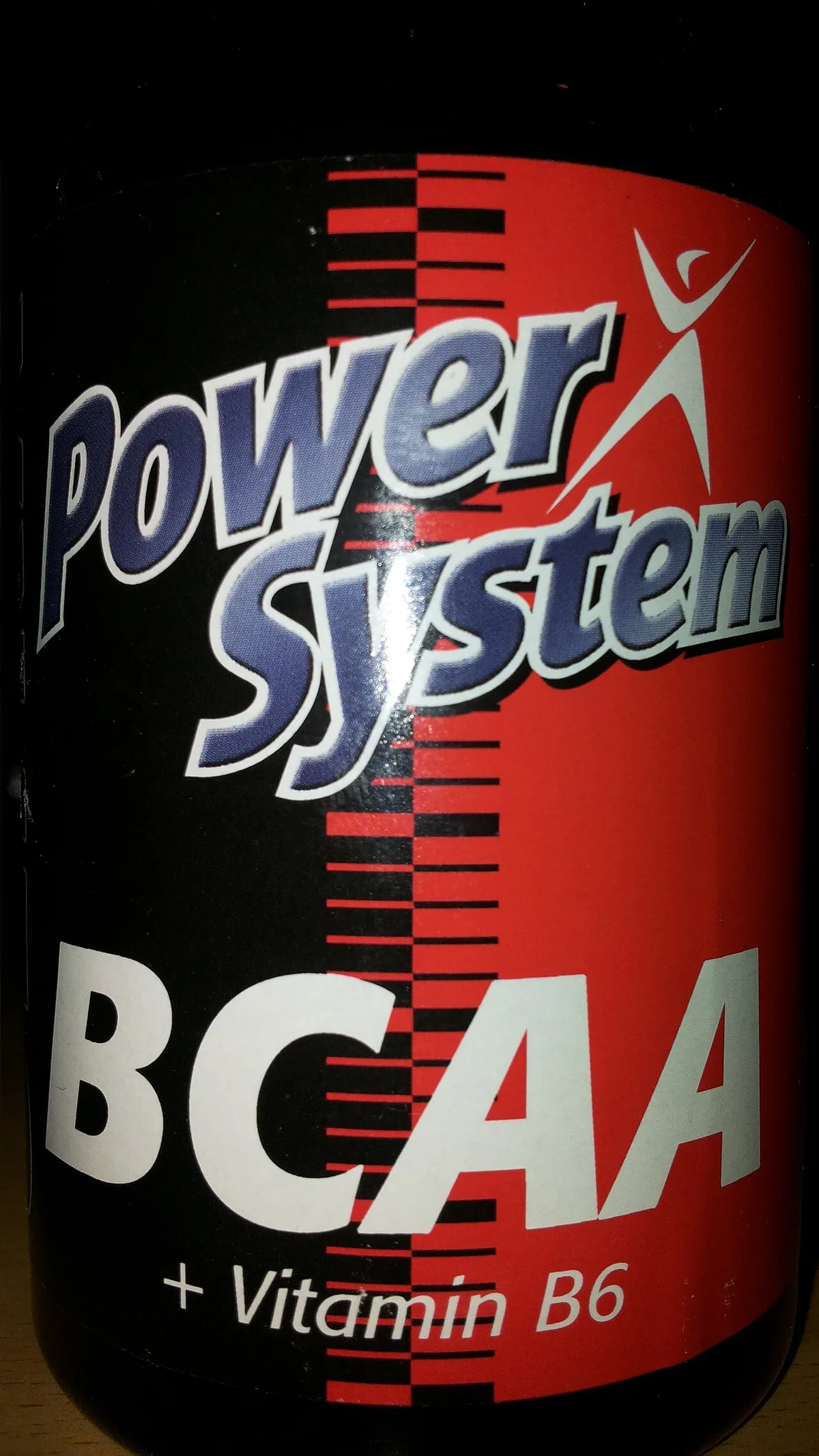
Walk down any supplement aisle and you will see two camps. One sells whole protein: whey, casein, eggs, meat. The other sells branched-chain amino acids, better known as BCAAs. The marketing implies you need both. The science tells a more modest story.
BCAAs are not useless. They are simply less magical than the tubs suggest. This article explains what BCAAs do, what whole protein already covers, and the few cases where isolated BCAAs earn their spot. Readers following this should also see How to spot a low-quality supplement before you buy.
What BCAAs Are
Three amino acids carry the BCAA label: leucine, isoleucine, and valine. All three are essential amino acids, so your body cannot make them and you must eat them. They carry real weight in muscle tissue. BCAAs account for 35% of the essential amino acids in muscle proteins.
What Whole Protein Already Covers
Here is the part supplement ads skip. The U.S. Institute of Medicine set recommended daily allowances for BCAAs in 2002. For adults, that is 42 mg per kg of body weight per day for leucine, 19 for isoleucine, and 24 for valine. For a 70 kg person, it adds up to about 2.9, 1.3, and 1.7 grams. Any diet that meets the RDA for total protein, 0.8 g per kg per day, already meets or exceeds all three BCAA targets. In plain terms, people who eat enough protein already eat enough BCAAs. This connects to our earlier piece, Beta-alanine meta-analyses converge: real gains, narrow window.
For most people, that threshold is not exotic. Eggs at breakfast, yogurt or milk during the day, and a palm-sized serving of meat, fish, or legumes at dinner put a typical lifter in range without any powder. Supplements exist for convenience, not because food is missing something special. If you already hit your protein target with regular meals, isolated BCAAs mostly add cost.
Why Leucine Gets All the Hype
BCAAs do send growth signals. In early lab work, a mixture of BCAAs alone stimulated muscle growth about as much as a complete amino acid mix, while a mix without BCAAs did nothing. Leucine alone produced nearly the same effect as the full mixture, while isoleucine or valine alone had little impact. Leucine works through the mTOR pathway, which regulates adaptive hypertrophy and recovery in skeletal muscle. That signaling story is real. The catch is simple: whole protein delivers leucine too, along with every other building block muscle needs.
Where Isolated BCAAs May Still Help
There are narrower cases. Taken before exercise, BCAAs can be oxidized by working muscle as an energy source, which reduces the liver's need to break down glycogen. Meta-analyses also suggest BCAA supplementation may lower creatine kinase levels and attenuate DOMS, the soreness that follows hard training. That makes them a plausible pick for fasted or low-calorie phases, when total protein intake runs thin.
Keep the honest limit in view as well. Researchers tie the mixed effects of BCAAs on serotonin and other fatigue signals to a relatively neutral net effect on performance. They are an edge-case tool, not a replacement for protein.
Conclusion: Food and Whey First, BCAAs for the Edges
For most lifters, whole protein already covers the BCAA bases. Isolated BCAAs make sense mainly when you train fasted, struggle to hit your protein target, or want a low-calorie drink around sessions. Start with your diet. Add BCAAs only where a clear gap exists, and judge them by recovery and results, not by the label.