Recovery
Recovery slides and shoes: do they earn their hype?
What cushioned recovery footwear actually delivers, what the comfort claims get right, and where the marketing runs ahead of the evidence.
What cushioned recovery footwear actually delivers, what the comfort claims get right, and where the marketing runs ahead of the evidence.
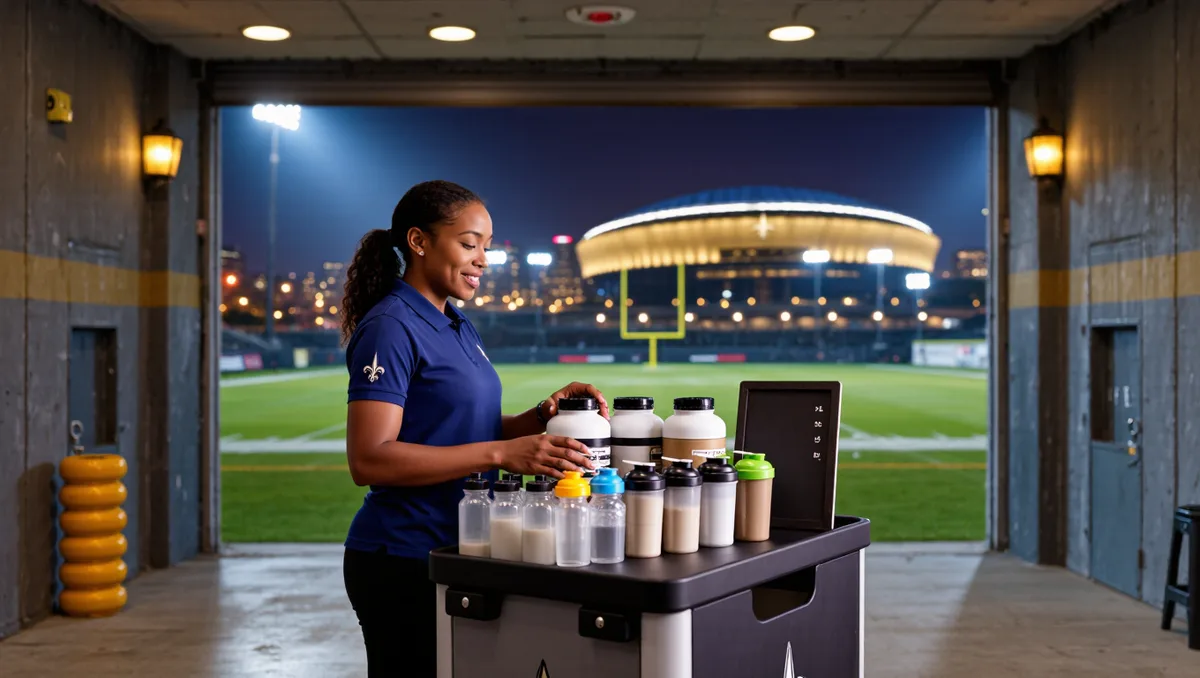
A Saints profile is a window into how professional teams handle fueling, hydration and trust.
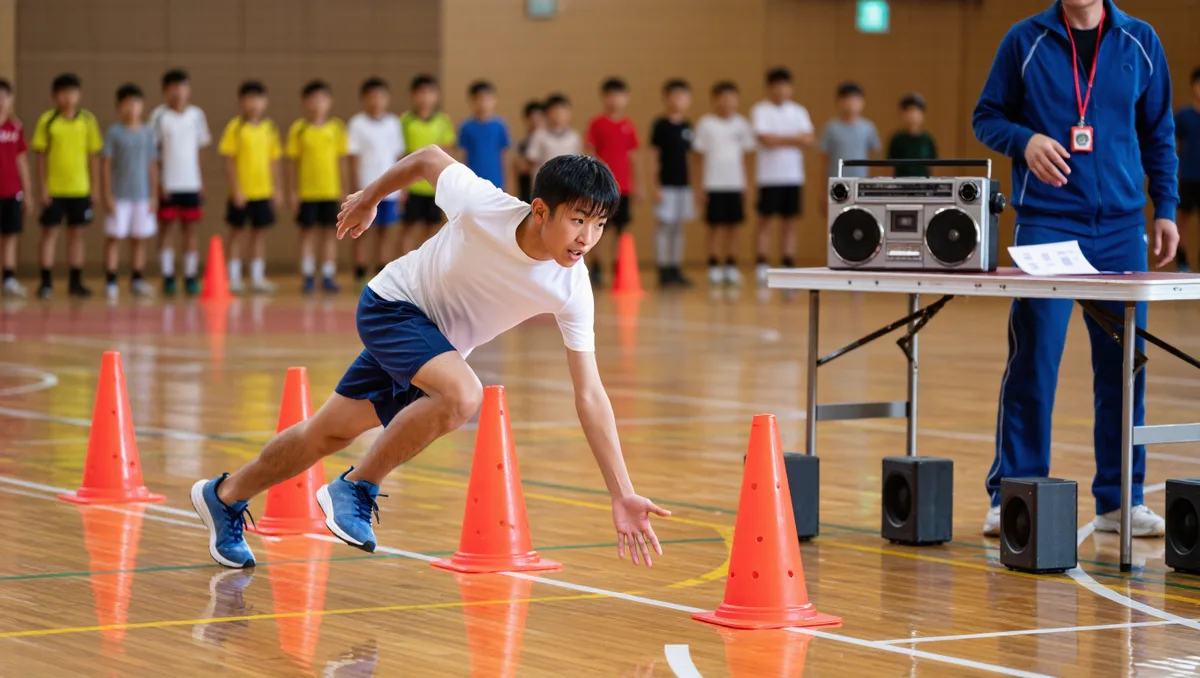
The beep, the laps, the dread — what the school shuttle run actually measures, and why it became a meme.

Balanced snacks, realistic portions and less mealtime stress, built from what pediatric nutrition guidance actually says.
The market is projected to keep growing through 2035. Here is what that forecast covers, and what it does not.
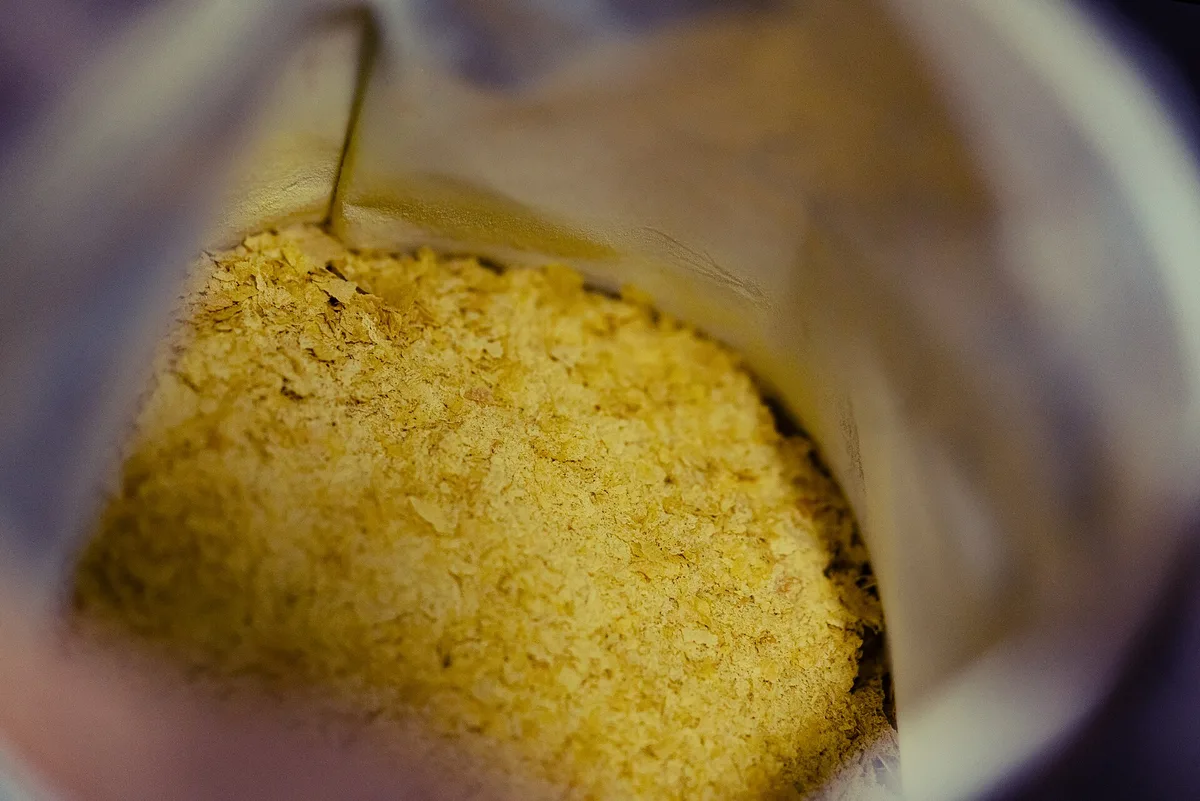
The flaky, cheesy-tasting inactive yeast is a pantry staple for vegan cooks. Here is what it is, what it is not, and where the evidence stands.
Creatine is one of the most-studied supplements in sports nutrition. Here is what the research actually shows about its mechanism, its effects on strength, and where the evidence runs thin.
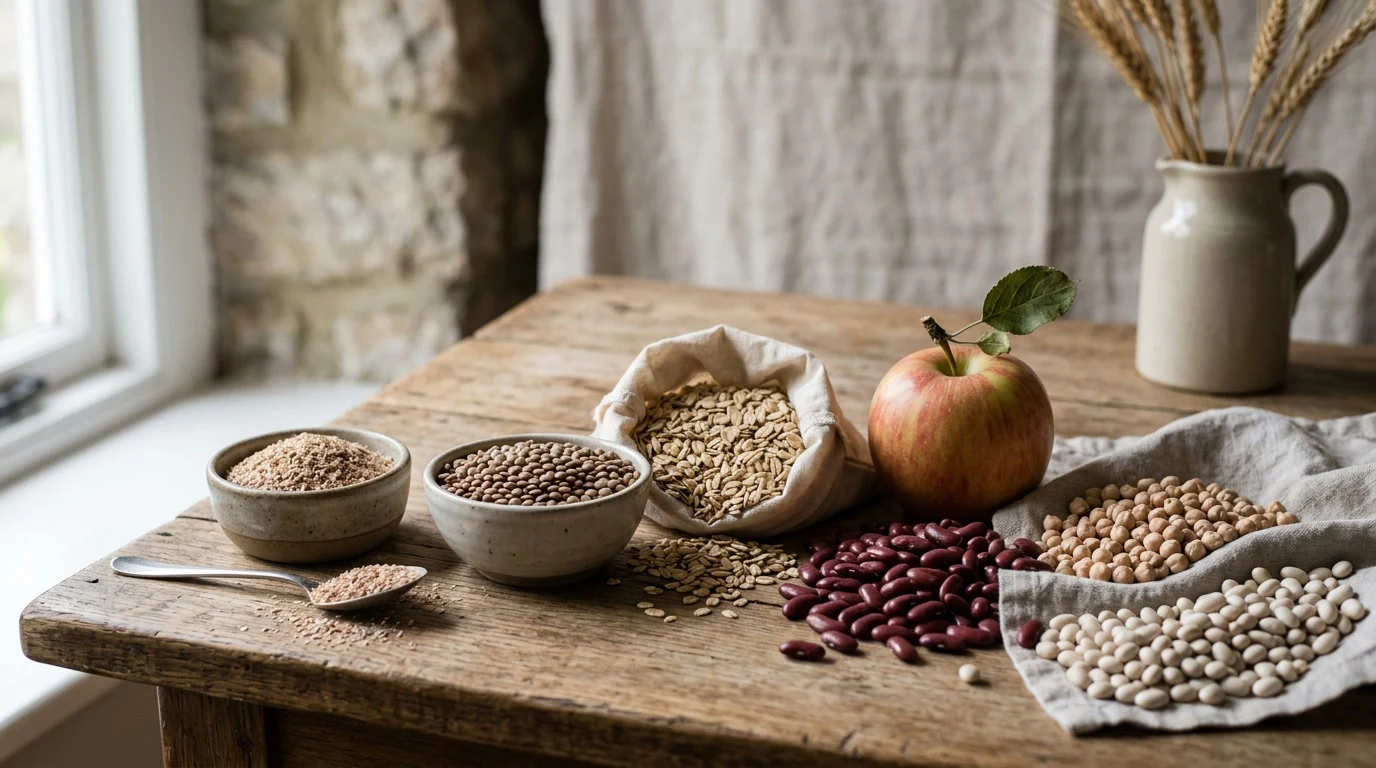
Large randomized trials have tested whether vitamin D prevents respiratory infections — the answer is a modest effect mostly in people who started deficient, and no demonstrated benefit against colds in the general population.
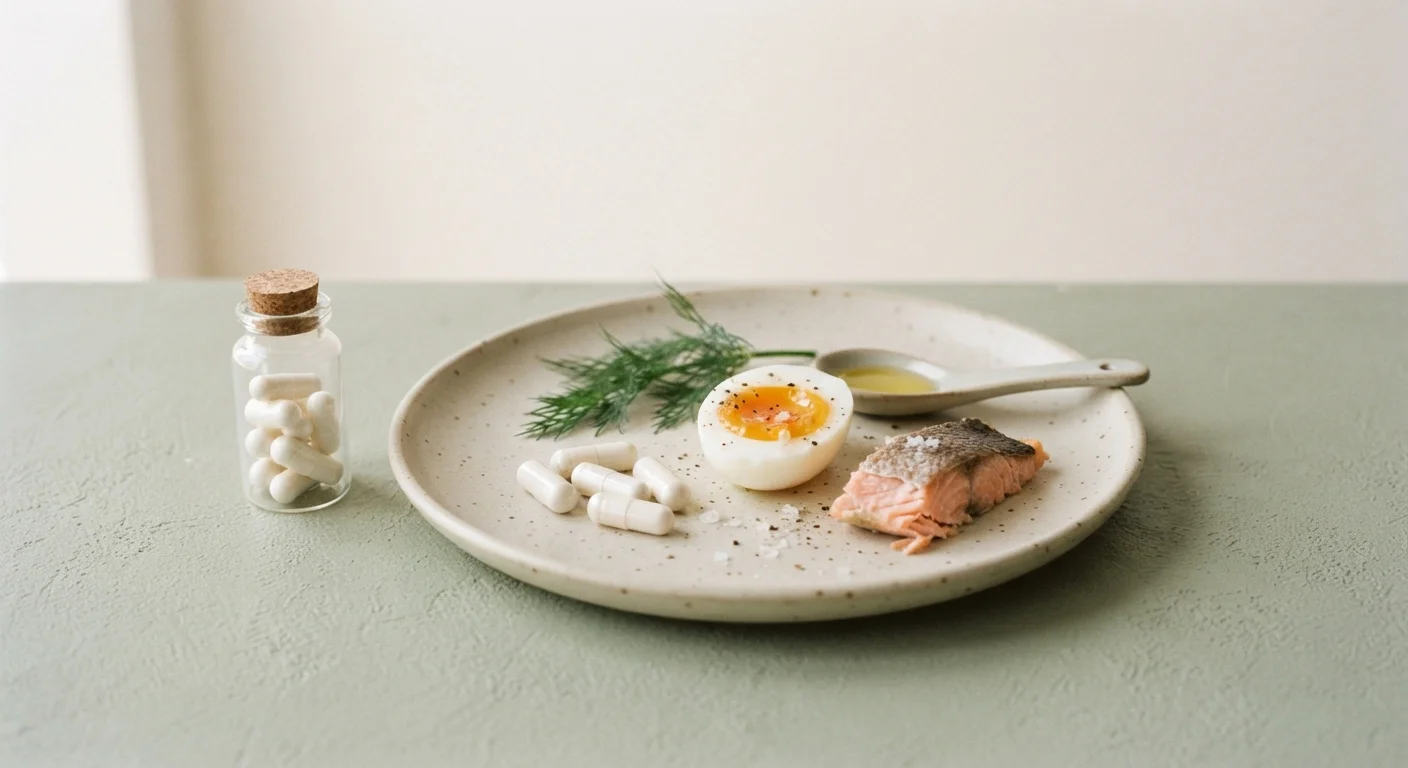
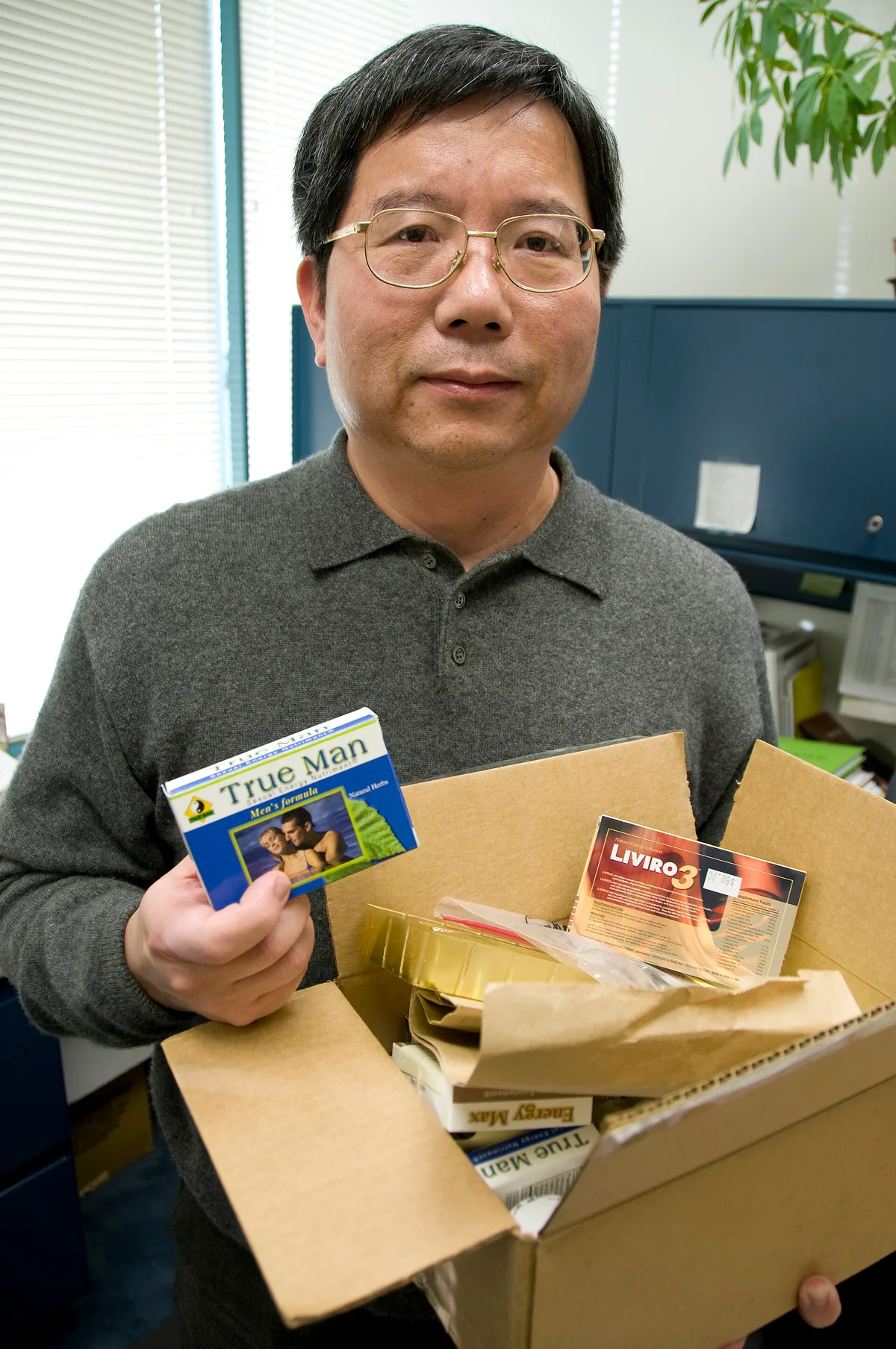
NIH reviewers found no supplement proven effective for weight loss, with one qualified exception for green tea catechins. What the evidence and the risks look like.
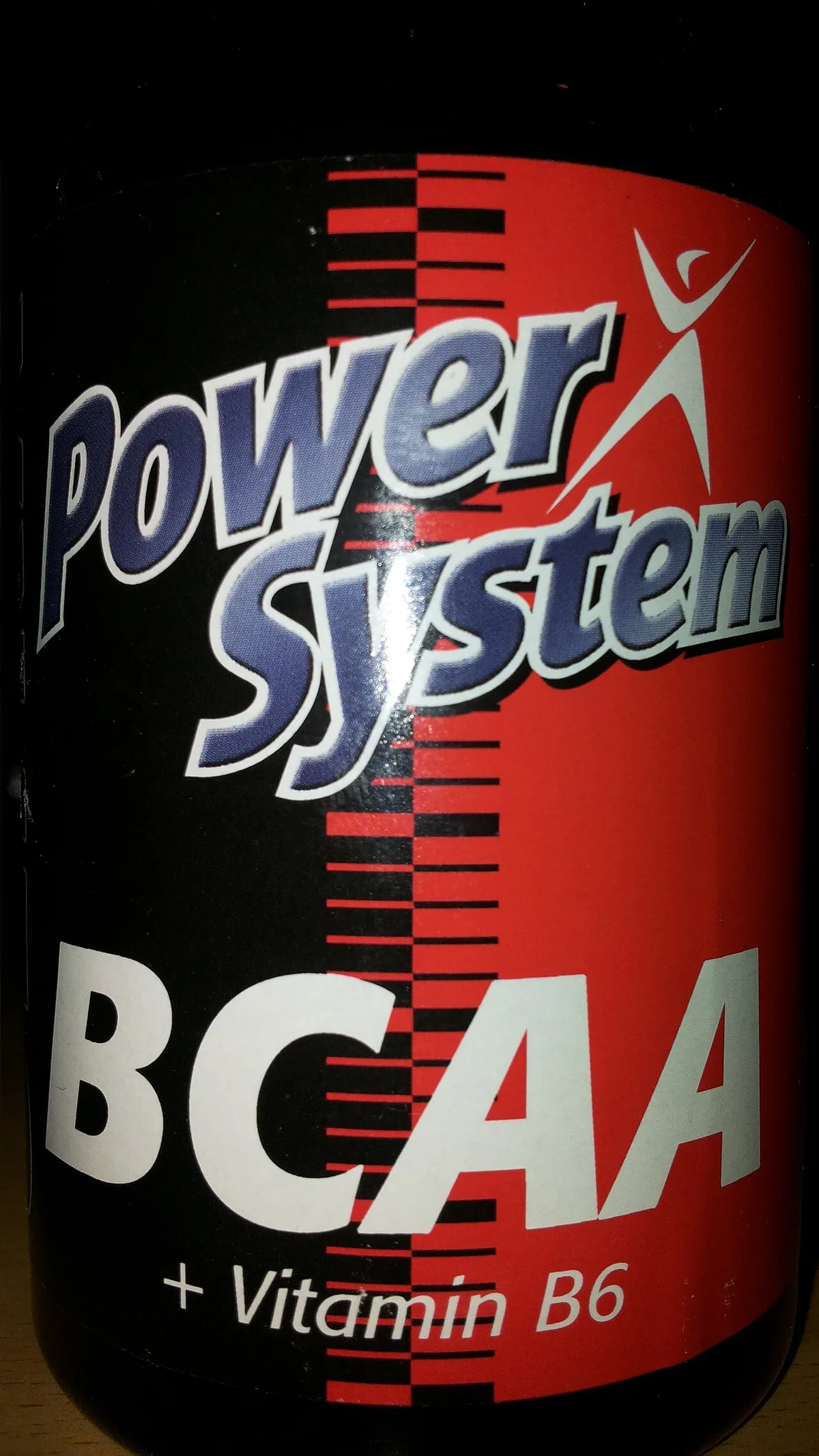
Most lifters already get enough BCAAs from whole protein. See what the research says about leucine, muscle growth, DOMS, and the cases where BCAAs earn a spot.
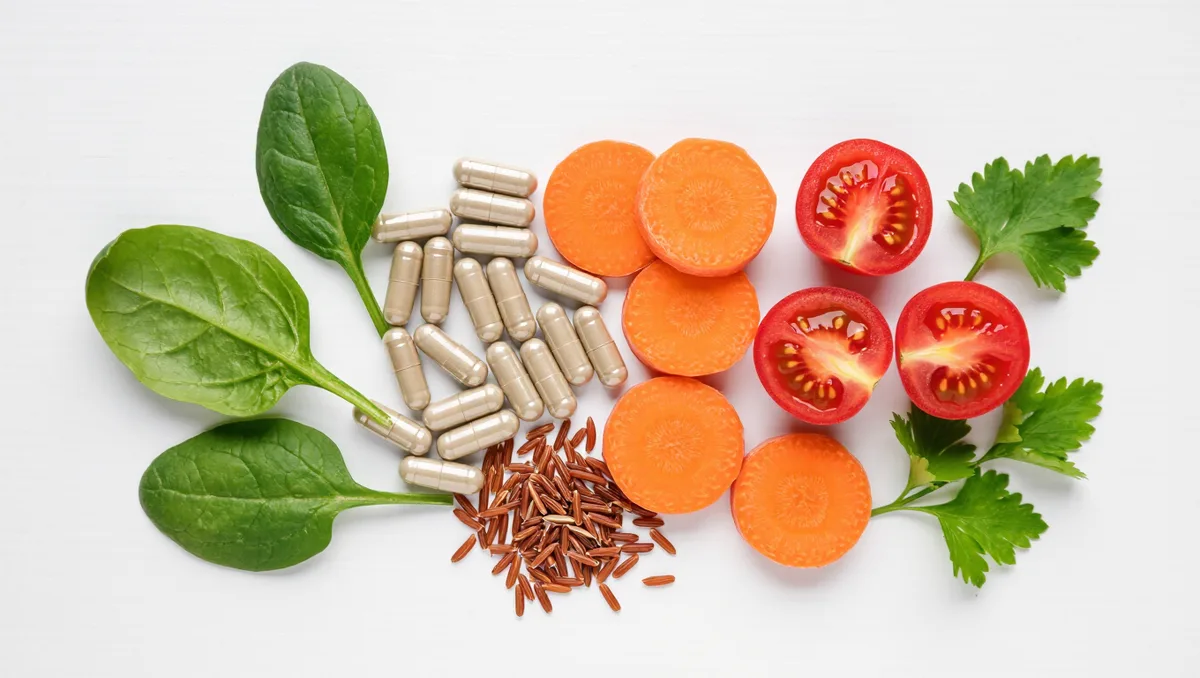
Certifications, label tricks and filler red flags, explained plainly — and where the extra money actually goes.
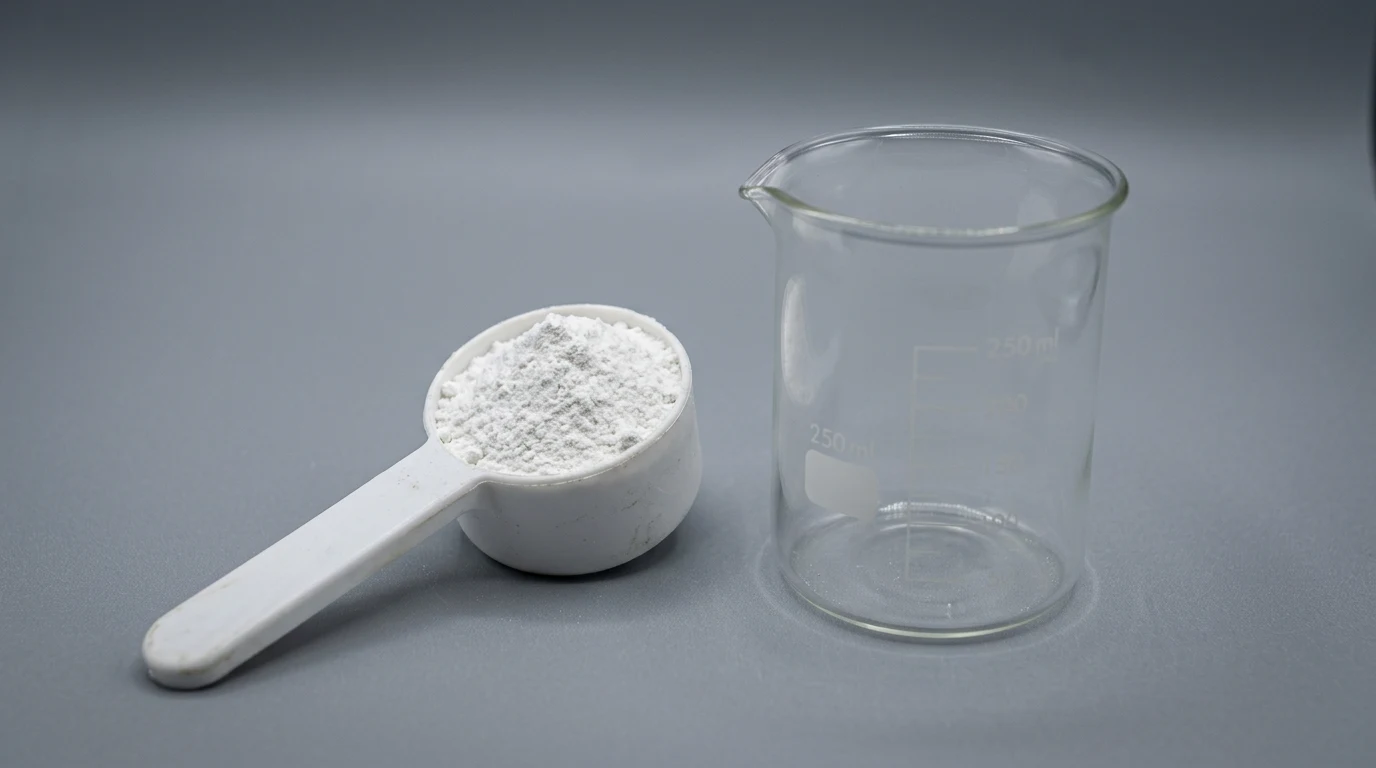
Supplements reach shelves without FDA approval, but they are not unregulated — here is what the FDA and NIH say manufacturers actually have to do, before and after a product goes on sale.
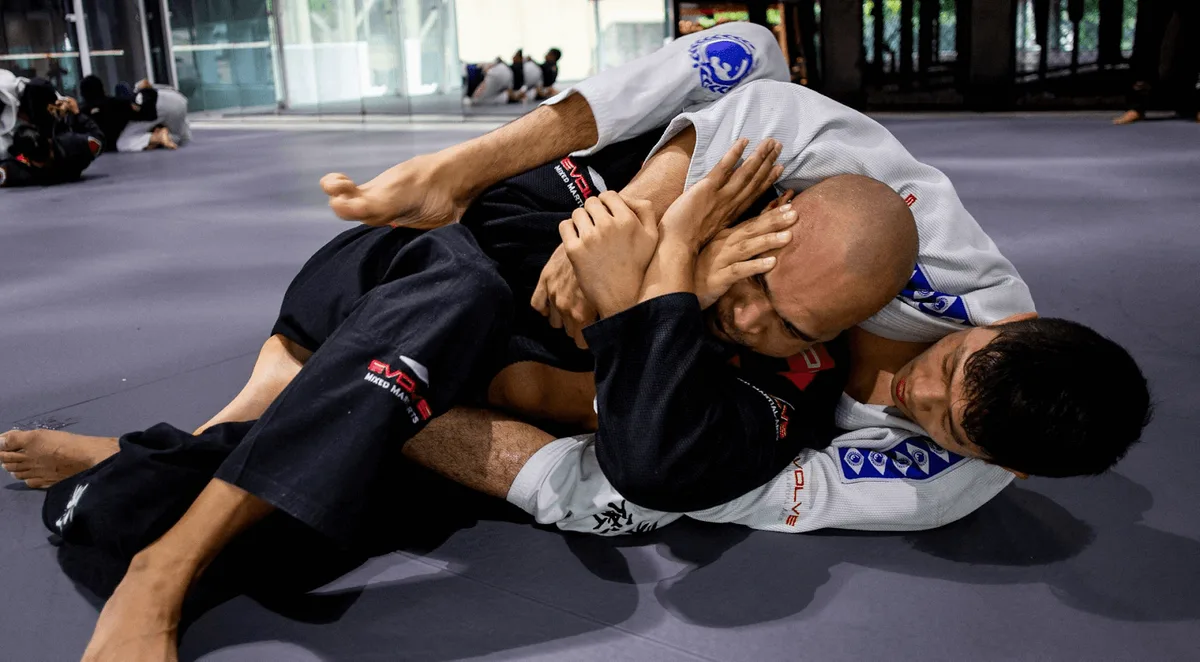
A plain roadmap for the first eight weeks of strength training, built on basic movements, small load steps, and the CDC activity floors for adults.
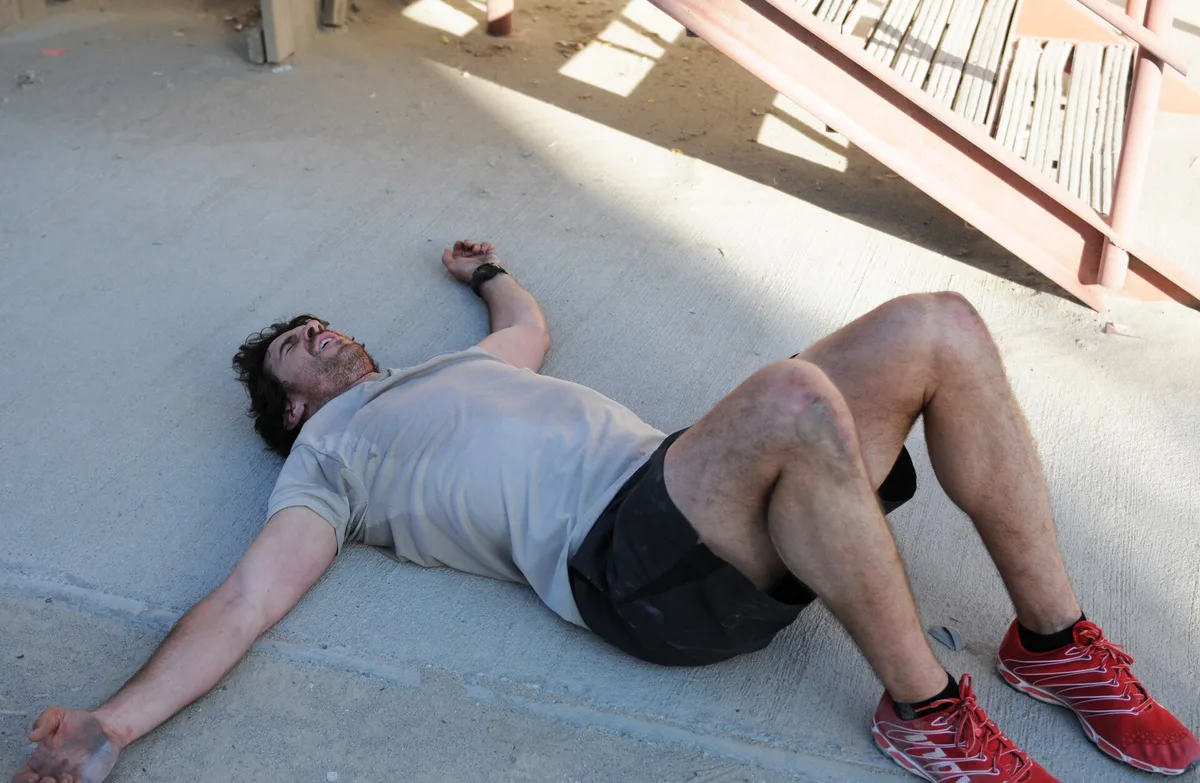
Easy days feel productive, but a 2026 review of 16 trials found no recovery method beats plain rest for soreness or performance. The evidence on recovery workouts, explained.
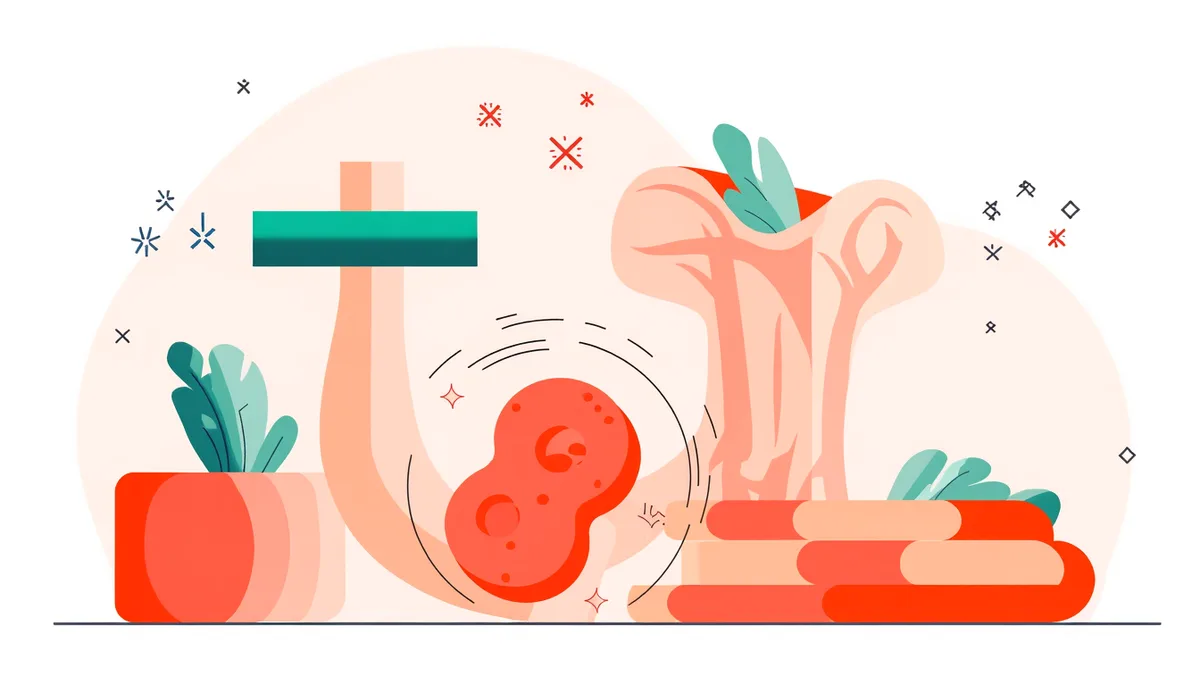
Soreness two days after a workout tells you little about how much muscle actually broke down or how ready it is to train again.
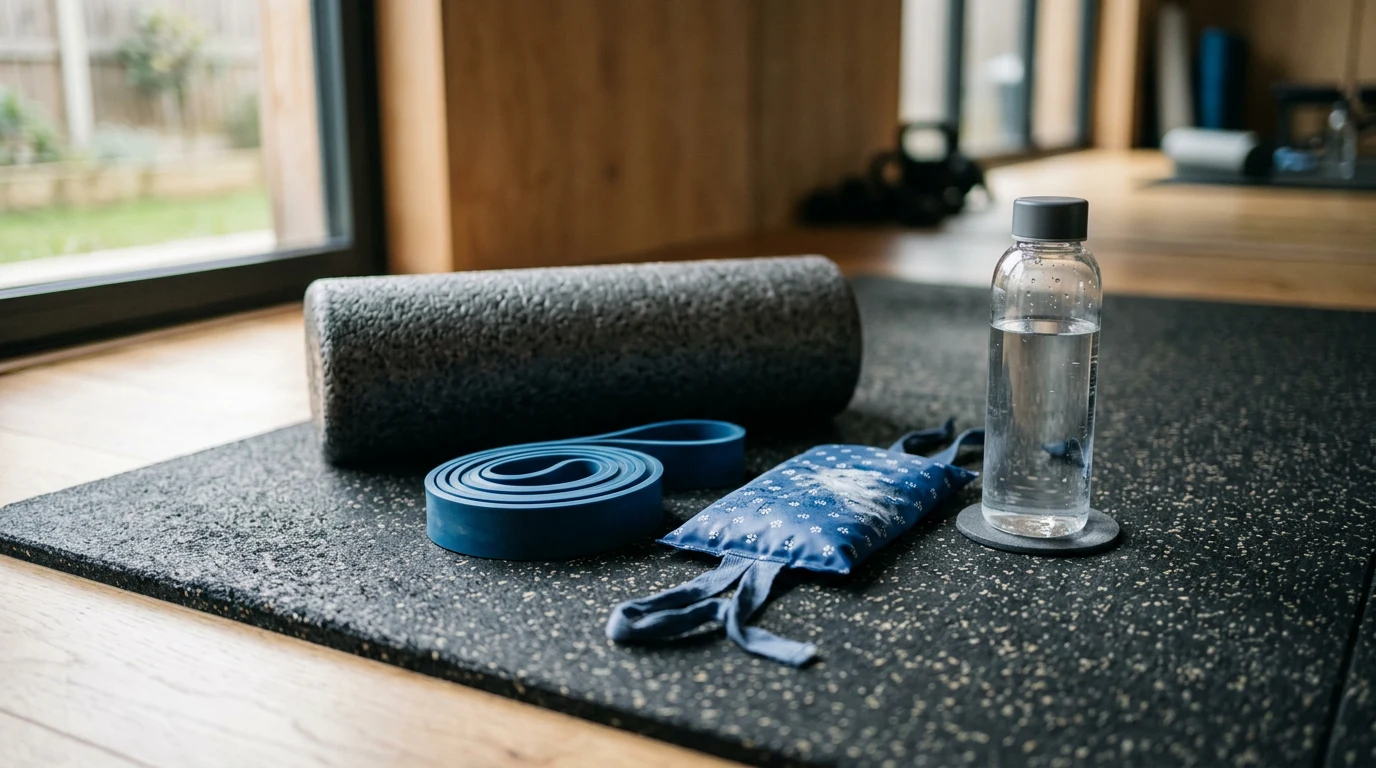
Two major meta-analyses agree tart cherry juice helps strength and power bounce back faster, but disagree on whether it eases muscle soreness itself.
Athletes with early training starts reliably sleep less than their peers, Australian monitoring studies show; schedule and light choices matter more than any gadget.
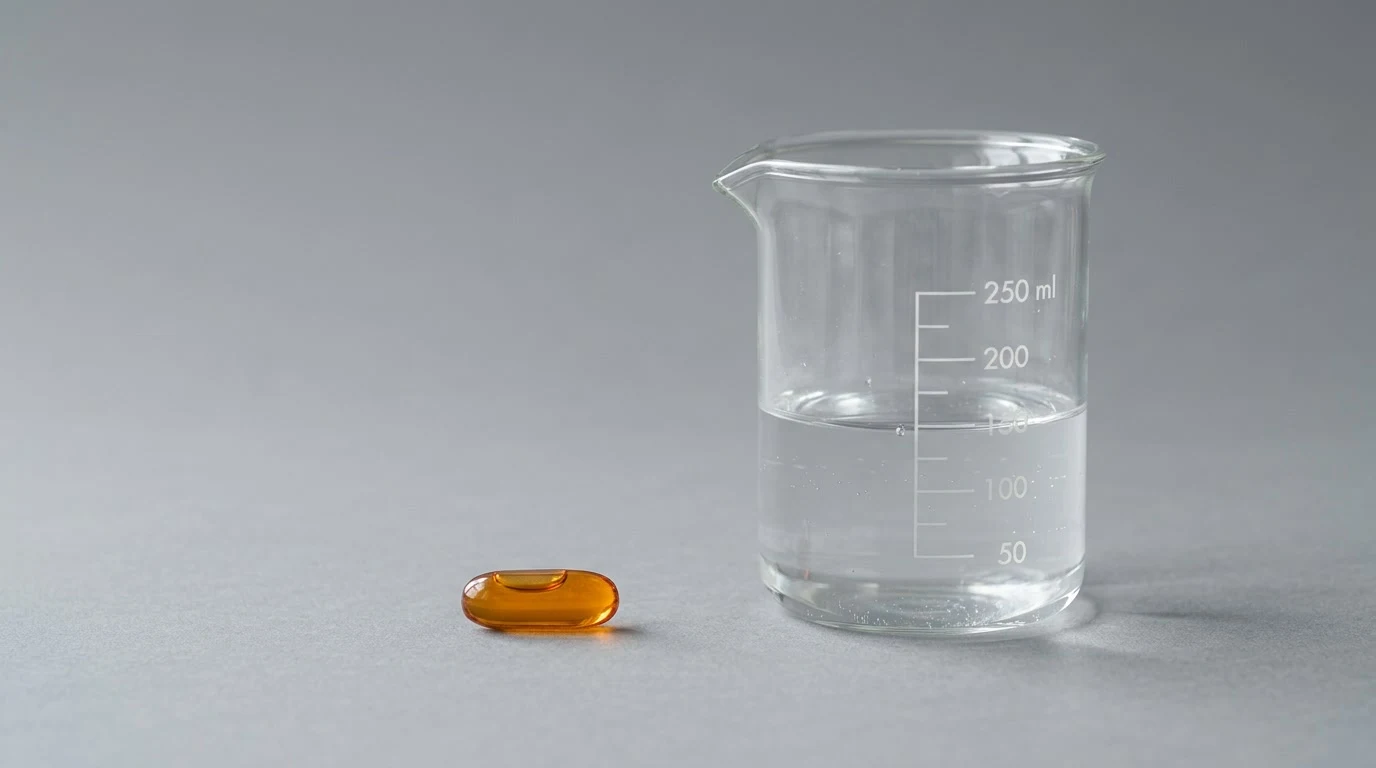
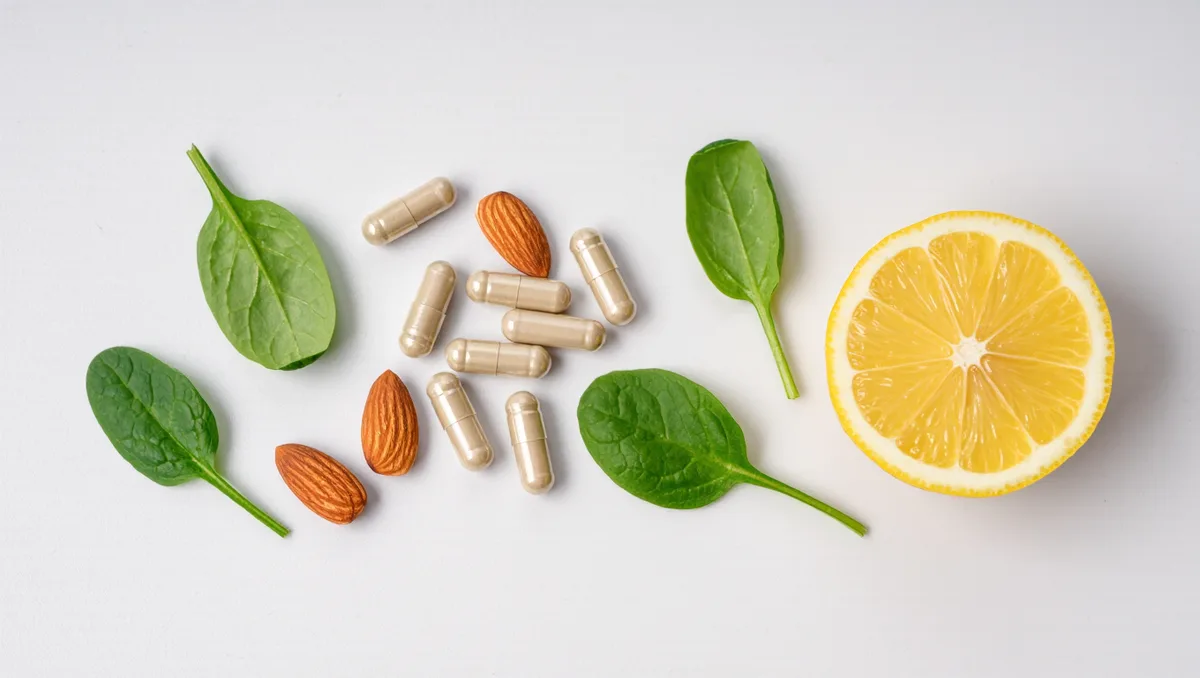
The mechanism is well described and the performance evidence is narrow but consistent. The cognitive evidence is thinner, and the label claims are the manufacturers' own.