Fitness
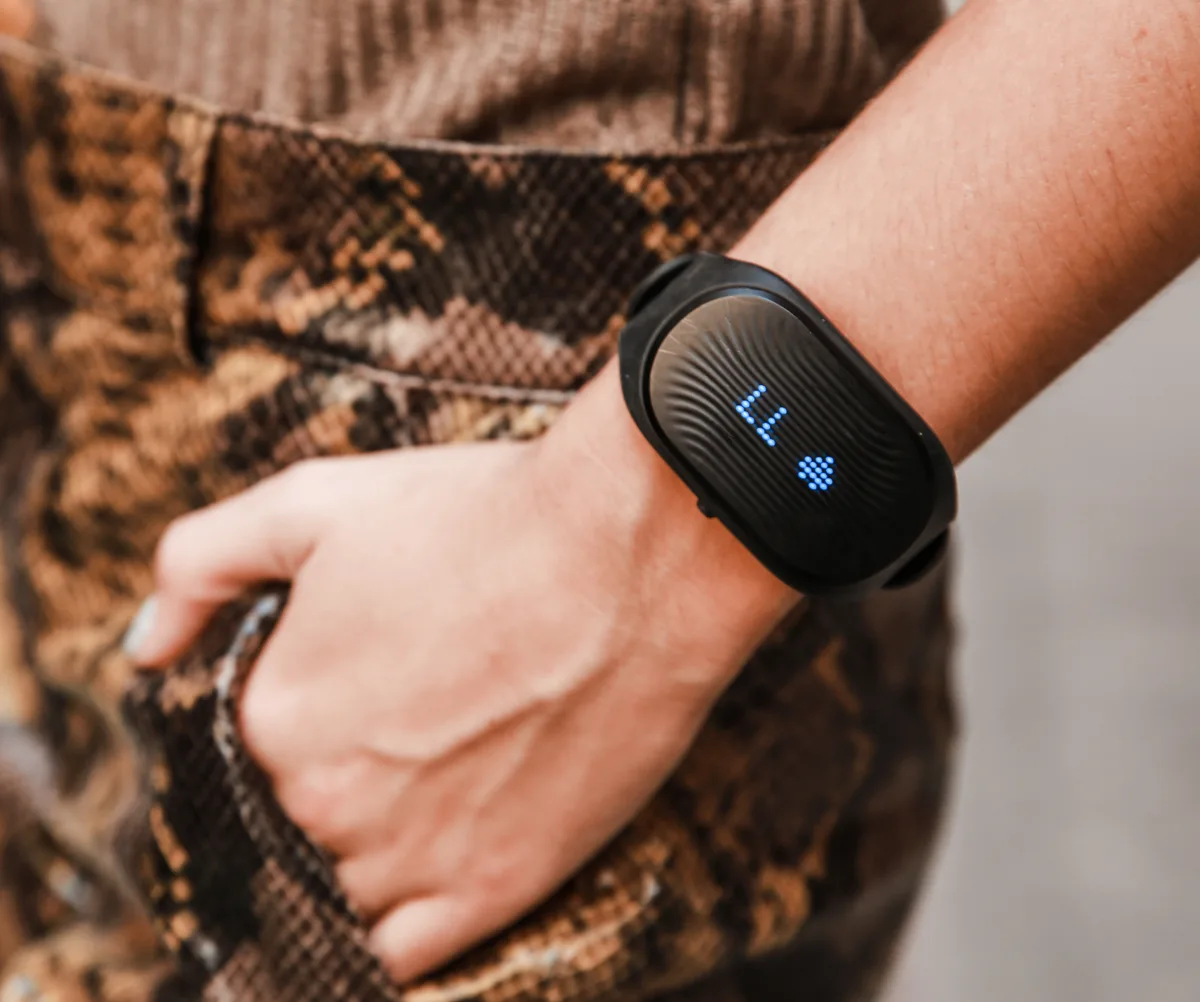
How to choose a fitness tracker that fits your goals
Start with the goal, not the feature list. Then match the sensor to the job.
Training programming explained set by set: volume, intensity, frequency and progression models, plus how each interacts with fueling and recovery capacity.
Start with the goal, not the feature list. Then match the sensor to the job.

A headline names four fitness cases. The reporting behind it names none — and that gap matters more than the headline.

A popular 30-minute deadline for eating protein after a workout does not hold up well against the trial evidence, which points to total daily protein intake as the stronger factor in muscle growth.
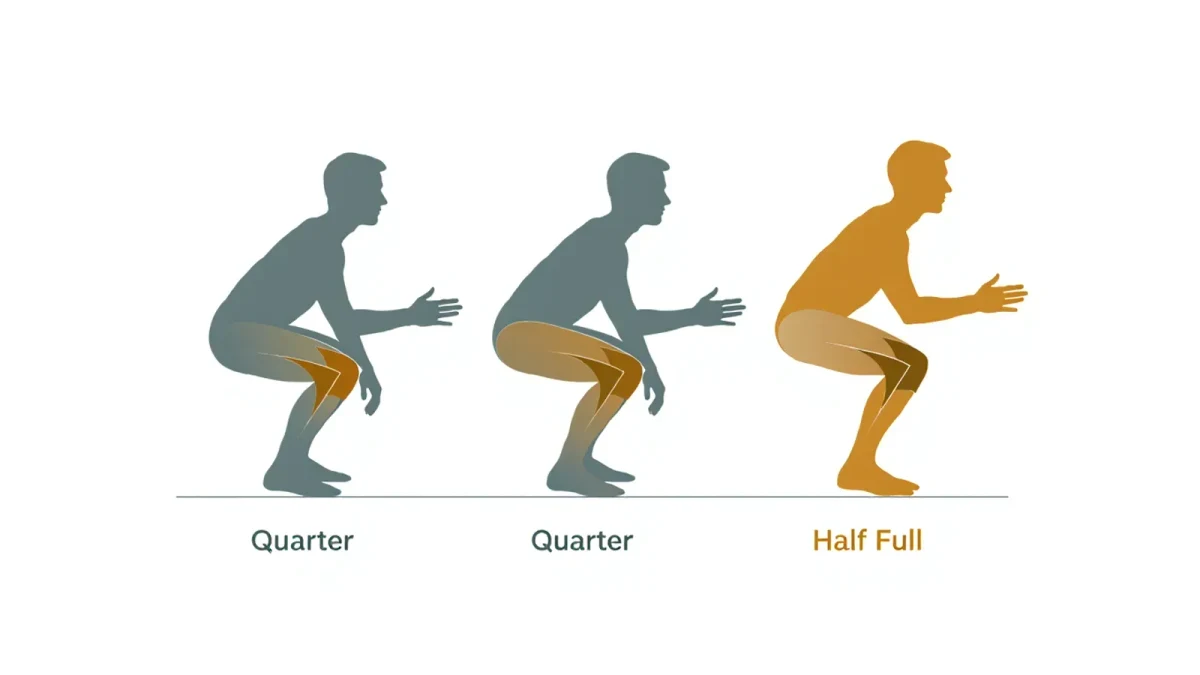
Deeper squats produce greater thigh-muscle growth in controlled trials — Bloomquist's 12-week study found full squats outgrowing half squats — while knee-stress fears are not supported by studies of healthy joints.
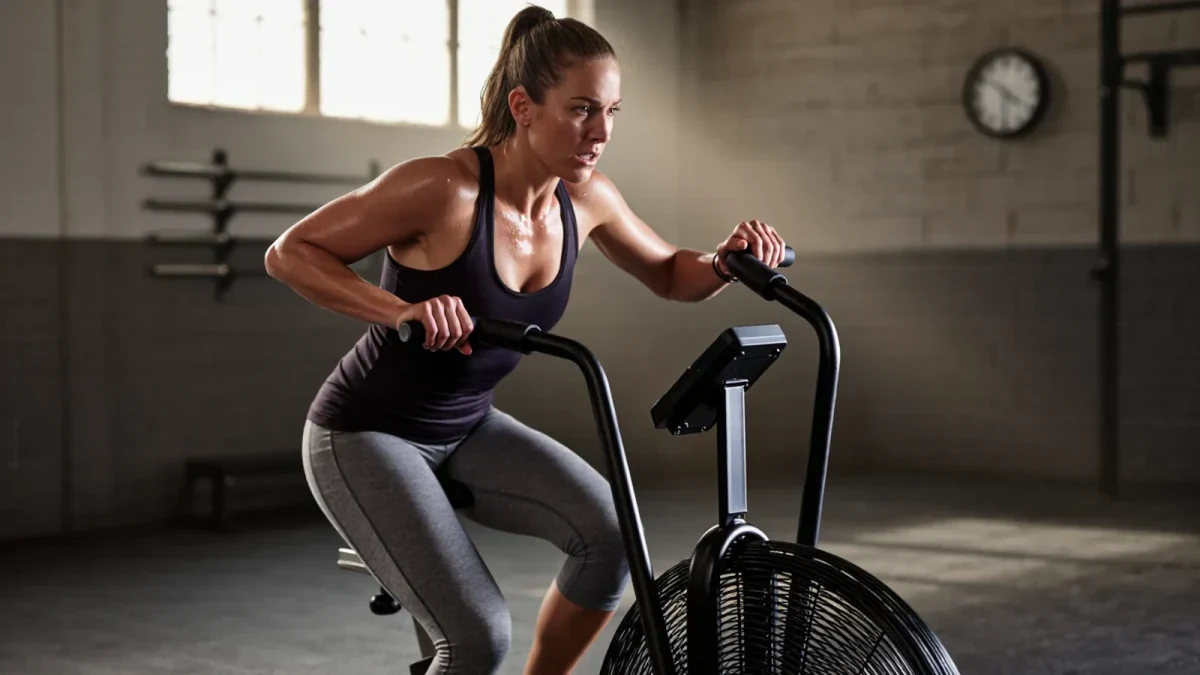
HIIT improves VO2max faster per minute invested than moderate continuous cardio, a 2015 meta-analysis found, while steady state builds the same base with less strain — the choice hinges on time, joints, and enjoyment.
Deload weeks — planned reductions in volume or intensity — rest on solid tapering evidence showing performance rises when training load drops while intensity is kept, though the fatigue-vs-fitness model behind them remains a working theory.