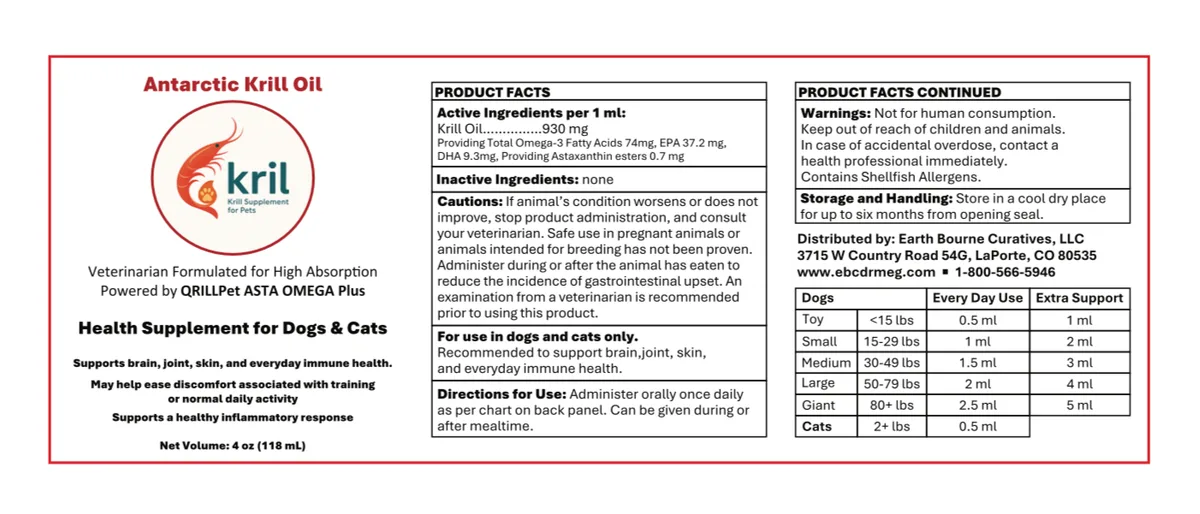
The fastest way to spot a low-quality supplement is to look past the front of the tub and read the label like a scout reads a trialist: what is actually there, in what amounts, and who checked it. A seal from an independent testing programme, a fully quantified label with no proprietary blend, and a maker that publishes where the product is tested are the three strongest positive signals. A proprietary blend, a label full of kitchen-sink ingredient lists, and claims that sound like medicine are the clearest warnings.
That is the short answer. The fuller answer matters, because price and quality are only loosely related in this market. Some expensive products are well made. Some are well marketed. The skills below cost nothing but a few minutes at the shelf or on the product page, and they work on protein powders, creatine, pre-workouts and multivitamins alike.
Supplements are regulated differently from drugs and are not approved to treat any condition. For personal decisions — interactions, existing conditions, pregnancy, medication — talk to a qualified clinician.
What does third-party certification actually tell you?
A certification mark is the single most useful signal on a tub, because it is the only part of the label a company does not fully control. Independent testing programmes check that what is in the bottle matches what is on the label, screen for banned substances, and look for contamination. The exact scope differs between programmes, so the mark is a floor, not a guarantee of quality across the board.
The practical reading: a certified product has at least passed someone else's checks. An uncertified product has not failed anything — it has simply never been checked by anyone outside the company. That distinction is worth more than most marketing. For a fuller breakdown of what each seal does and does not verify, see the guide to what third-party certification of supplements actually verifies. Readers following this should also see What does third-party certification of supplements actually verify?.
Where does the mark go wrong as a signal? Two ways. First, a mark on one product does not certify a company's whole range. Second, some brands print logos that look like certification seals but are not. A genuine programme's mark can be looked up on the certifier's own site. If the logo cannot be traced to a real certifier, treat it as decoration.
What label tricks should raise an eyebrow?
The label is where quality and marketing part company most visibly. Three patterns are worth learning to spot on sight.
Proprietary blends. When a label lists a "performance matrix" or "recovery complex" with a combined weight but no per-ingredient amounts, the maker is legally allowed to hide the individual doses. That makes it impossible to judge whether any ingredient is dosed at the level studies have used. It is the single most common trick in the category, and it is covered in detail in the piece on what supplement labels are allowed to hide.
The kitchen-sink formula. Thirty ingredients at trace amounts is not generosity; it is a way to print every buzzword on the front panel. A serious product usually does fewer things with fewer ingredients, at doses that match the evidence. A serious label shows its work.
Medicine-flavoured claims. Under the rules that govern dietary supplements, a product cannot claim to treat, cure or prevent disease. Wording that leans that way — "clinically proven", "doctor approved", promises about curing or fixing a condition — is either breaking the rules or sliding close to the line. Neither is a sign of a careful maker. For how the regulatory system actually works, and where its gaps sit, the explainer on how dietary supplements are actually regulated covers the ground.
Which filler and formulation red flags are real?
Fillers get a bad name they do not entirely deserve. Some are functional and harmless: flow agents that stop powder clumping, for instance. The red flags are subtler than "there is a filler on the label".
Watch instead for these patterns:
- An ingredient list where the first several entries are sweeteners, thickeners and flavouring rather than the substance you are buying — common in gummies and ready-to-drink formats, where the delivery system crowds out the payload.
- A dose of the headline ingredient so small that the rest of the scoop is, in effect, the filler. If a proprietary blend totals a few grams but lists a dozen actives, most of them are homeopathic in practice.
- Ingredient forms chosen for label appeal rather than evidence. Form matters — different forms of the same nutrient can differ in bioavailability, meaning how much of the dose the body can actually use — but a long list of exotic patented forms is often a pricing story, not a performance one.
None of this means cheap equals bad. Single-ingredient products such as creatine monohydrate are among the cheapest in the store and among the best supported by trials, as the evidence review of what creatine actually does sets out. Complexity is not quality. Often it is the opposite.
How much should price guide the choice?
Price is a weak signal on its own, and a strong signal in combination with the label. The useful question is not "is this expensive?" but "what is the extra money buying?"
A few comparisons make the point. A basic creatine monohydrate with a certification mark costs little and delivers a well-studied ingredient. A premium blend with the same creatine buried in a proprietary matrix costs several times more and hides the dose. The premium price there buys marketing, not more of what works. Conversely, an unusually cheap product from an unknown seller — especially one sold through marketplace listings rather than the maker's own channels — carries real risk: counterfeit and diverted goods are a documented problem in the category, and independent testing has repeatedly found label inaccuracies in pre-workouts and heavy metals in some protein powders. Coverage of pre-workout label accuracy and of heavy metals in protein powders gives the detail on both. We covered a connected angle in Pre-workout label accuracy: what independent testing has found.
So the value calculation runs: certified, transparent label, sensible ingredient list, bought through a channel the maker controls. A product that ticks those boxes at a mid-range price is usually better value than either the bargain-bin no-name or the glossy premium tub.
What about contamination and banned substances?
This is the risk that certification matters most for, and it is not hypothetical. Independent testing programmes and regulator actions exist precisely because products have been found to contain substances not on the label — including stimulants that appear on banned lists and, in some cases, ingredients pulled from legal sale. For competitive athletes tested under anti-doping rules, an uncertified product is a genuine risk decision, not a paperwork detail.
The shape of the problem is set out in the pieces on contamination and banned substances in supplements and on the hidden stimulants on banned lists. Regulators also act on bad actors directly; the review of how FDA supplement warning letters work explains what an enforcement letter does and does not mean for a buyer.
Our analysis, weighing the pattern across these areas: the certification mark is the highest-value check available to a shopper, the transparent label is second, and price is a distant third. A maker that hides doses and skips independent testing is asking you to take its word on faith. In a market where the rules let it do exactly that, faith is a poor substitute for a seal.
Where does this leave the buyer?
The evidence-backed checklist is short. Look for an independent certification mark you can verify on the certifier's site. Read the full label, not the front panel, and skip anything with a proprietary blend or disease-flavoured claims. Prefer simple formulas at doses that match published research. Buy through the maker's own channels. And treat a bargain from an unknown seller as the riskiest purchase in the store, not the smartest.
What remains unknown is the bigger picture: most products on sale have never been independently tested, and the regulatory system relies heavily on manufacturers policing themselves. That is the honest limit of any checklist. It narrows the odds considerably without removing them — which is why personal health decisions belong with a clinician, and why the label, not the price tag, deserves the long look.