Fitness
Training programming explained set by set: volume, intensity, frequency and progression models, plus how each interacts with fueling and recovery capacity.
Fitness
Adding heavy strength training to a running program improves running economy by roughly 2 to 8 percent in controlled trials and meta-analyses, without the muscle weight or slowdown runners fear.
Fitness
Zone 2 training — sustained, conversational aerobic work — reliably builds aerobic base and mitochondrial function, but no trial shows it outperforming other equal-volume training for fat loss or health.
Fitness
Periodization — organizing training into phases or blocks — outperformed non-periodized programs for strength in a 2017 meta-analysis, with modest average advantages and no evidence that one structure beats all others.
Fitness
Resting two to three minutes between sets produced more strength and hypertrophy than one minute in an 8-week trial and a supporting meta-analysis, mainly because longer rests allow more total work per set.
Fitness
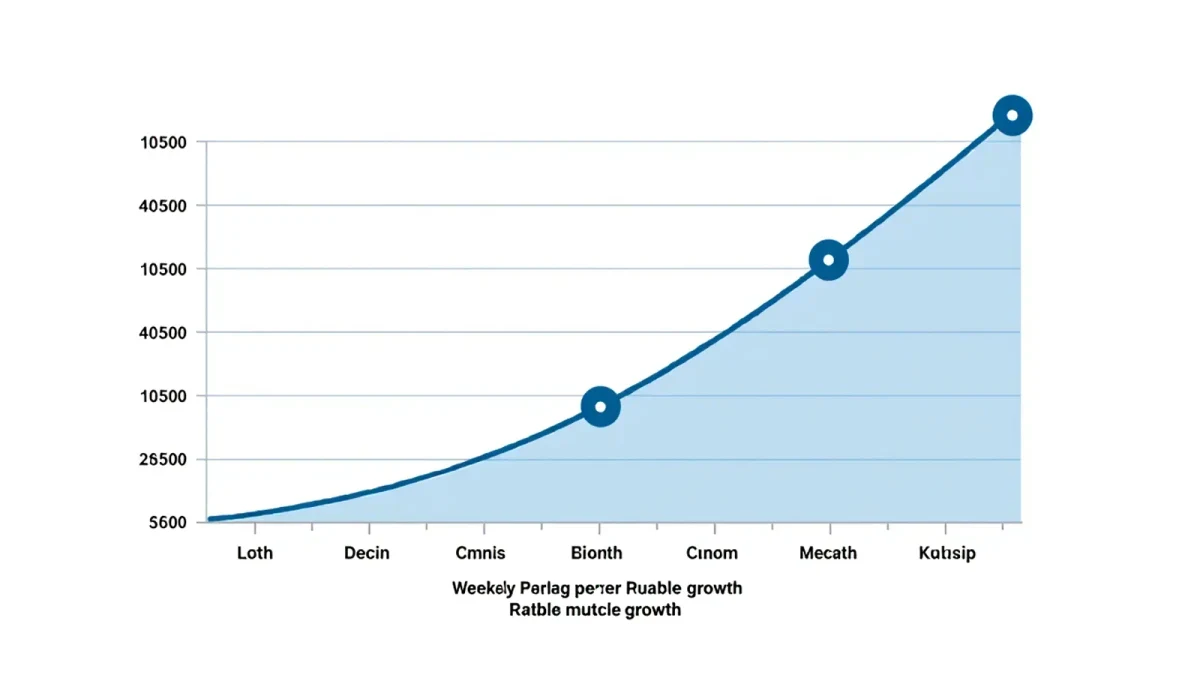
Meta-analyses suggest ten or more hard weekly sets per muscle roughly double the growth seen with single-digit set counts, with diminishing — not zero — returns beyond that.
Fitness
For hypertrophy, weekly training volume — measured in hard sets per muscle — has the stronger dose-response evidence, while intensity mostly decides whether the set was hard enough, not how heavy it felt.