Zone 2 cardio is sustained low-to-moderate intensity aerobic work — effort at roughly 60 to 75 percent of maximum heart rate, still conversational — and it reliably improves aerobic base, mitochondrial function, and fat oxidation at moderate intensities. What the trials do not show is uniqueness: comparable improvements in health markers and fitness occur with other training distributions, and higher-intensity work improves maximal oxygen uptake faster per minute invested. Zone 2 is a useful tool, not a biological cheat code.
24 News Click publishes information, not medical or training advice. Individual programming decisions belong with a qualified exercise professional and, where health conditions exist, a clinician.
What is zone 2, technically?
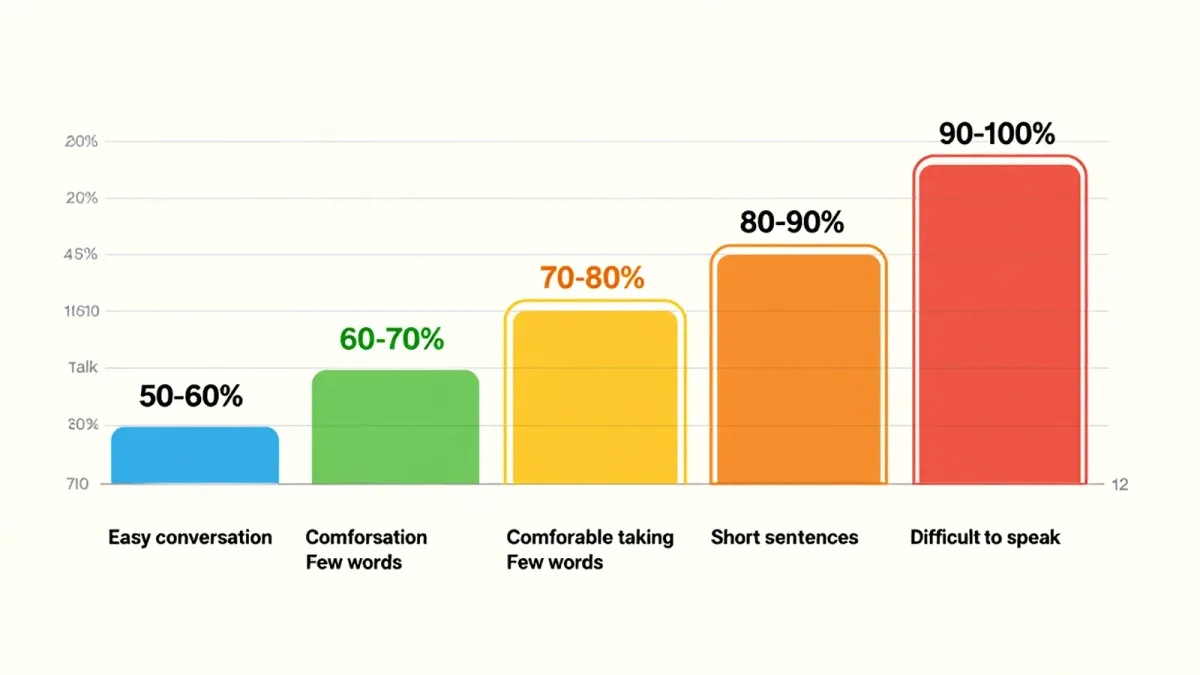
Zone 2 belongs to a five-zone intensity scale used in exercise physiology and popularized in endurance coaching. It sits between easy recovery work and tempo efforts: breathing is elevated but full sentences remain possible, roughly 60 to 75 percent of maximum heart rate. In physiological terms, zone 2 corresponds approximately to the intensity around the first lactate threshold, where lactate remains low and stable and fat is the dominant fuel.
The talk test is the practical gauge used in research on submaximal intensity prescription: full conversation possible is zone 2; broken phrases signal zone 3 and above. Heart-rate ranges are estimates because maximum heart rate varies between individuals and declines with age — the common formula of 220 minus age carries roughly plus-or-minus 10 to 12 beats per minute of individual error, per long-standing critiques of its accuracy.
What does zone 2 actually improve?
Aerobic base machinery, most reliably. Sustained moderate-intensity training increases mitochondrial density, capillary supply, and the muscles' capacity to oxidize fat — adaptations documented across decades of endurance-physiology trials. It also raises the speed or power at which the first lactate threshold occurs, which is why competitive endurance athletes across sports spend the largest share of training time below it: the polarized-training literature, notably the training-distribution studies compiled by Seiler and colleagues in 2010, reported elite endurance athletes logging roughly 75 percent of sessions at low intensity.
For health outcomes, the strongest general evidence remains total aerobic volume. The Physical Activity Guidelines for Americans, second edition, recommend at least 150 to 300 minutes of moderate-intensity aerobic activity per week for substantial health benefits — a target zone 2 work can fill entirely — and the guideline evidence review found benefits continuing to accrue with more activity.
What doesn't zone 2 do?
It does not burn fat at rest preferentially, and it does not out-train other methods for VO2max per minute. The afterburn myth deserves a direct burial: excess post-exercise oxygen consumption exists but is small and scales with intensity, not with the fat burned during the session itself. Fat loss across trials tracks the energy deficit, not the fuel used during exercise.
For maximal oxygen uptake, interval work is the more time-efficient stimulus. A 2015 meta-analysis by Milanović and colleagues comparing high-intensity interval training with moderate continuous training found greater VO2max gains per unit time from intervals, and Gibala's laboratory work showed interval protocols producing comparable aerobic adaptations in a fraction of the time. Zone 2 can certainly improve VO2max in beginners — almost any consistent training does — but it is the slower route.
Zone 2 also does not directly cause strength loss or interfere with lifting; the interference effect documented in concurrent-training research appears mainly with high volumes of higher-intensity endurance work, per reviews of the concurrent-training literature.
Why do serious endurance athletes do so much of it?
Because volume at low intensity is survivable. Elite endurance athletes train 10 to 25 hours weekly; most of that must be easy or the athlete breaks down. The Seiler training-distribution data show the polarized pattern — about 75 percent of sessions low intensity, a small share very hard, little in the middle — arises because the middle intensities cost recovery like hard work while producing adaptations like easy work.
For recreational athletes training three to six hours a week, that logic applies with less force. The stakes of one moderately hard session are lower, and the time budget is small enough that a mix of intensities often fits goals better than strict polarized mimicry. No controlled trial demonstrates that recreational athletes must copy elite distribution ratios to improve.
How much zone 2 is worth doing?
Enough to build the base a person's goals require — and that number is not established by trials for any individual. The guidelines' 150-to-300-minute moderate-activity range is the best-supported public-health anchor. Endurance athletes distribute per the polarized literature. General fitness interests commonly combine two to three easy sessions with a harder session or two, a shape consistent with, though not proven superior in, the trial base.
Measurement helps zone 2 stay zone 2: the talk test, a heart-rate cap, or power-based ranges keep easy days actually easy, a known failure point — research on subjective intensity shows recreational exercisers habitually drift into the moderate middle where conversation stops.
Zone 2 also earns a place on recoverability alone. Because sessions are submaximal, they can be repeated on consecutive days with little accumulated strain, which makes the modality well suited to beginners building a habit, lifters adding conditioning without threatening leg recovery, and older adults for whom joint impact, not oxygen transport, is the binding constraint.
Is zone 2 better for fat loss than intervals?
No trial supports that. When total energy expended is matched, fat-loss outcomes are similar across intensity profiles, and interval protocols have produced comparable or greater losses per training minute in some trials. The practical argument for zone 2 in fat loss is adherence and recoverability — it is easy to repeat — not superior physiology.
The claims that zone 2 uniquely fixes mitochondria, clears lactate, or extends lifespan come from plausible mechanistic biology and observational associations, not from controlled trials comparing it with matched alternatives.
Zone 2: supported claims versus unsupported ones
| Claim | Evidence status |
|---|---|
| Builds mitochondrial and capillary adaptations | Well documented in endurance-physiology trials |
| Raises lactate threshold speed/power | Well documented |
| Fills public-health activity guidelines | Yes — moderate intensity per the 2018 guidelines |
| Superior fat loss versus matched alternatives | Not supported; deficit drives loss |
| Fastest route to VO2max | No — intervals are more time-efficient (Milanović 2015) |
FAQ
What heart rate is zone 2?
Roughly 60 to 75 percent of maximum heart rate, though formulas carry about plus-or-minus 10 to 12 beats per minute of individual error. The talk test — full sentences still possible — is the field gauge used in intensity-prescription research and works without any device.
Can zone 2 alone make someone fit?
It can build a solid aerobic base and meets public-health activity guidelines. Maximal oxygen uptake improves faster per minute with interval training, per Milanović's 2015 meta-analysis, so fitness goals shape the best mix rather than zone 2 alone.
Is zone 2 the best fat-burning exercise?
The fat-as-fuel-during-exercise fact is real but does not decide fat loss, which tracks the overall energy deficit. Matched-energy comparisons show similar fat-loss outcomes regardless of intensity profile.
How often should zone 2 sessions be done?
The guideline anchor is 150 to 300 weekly minutes of moderate aerobic activity; athletes follow distributions such as the roughly 75-percent-easy pattern in Seiler's data. No trial sets an individual optimum, and consistency is the variable the evidence rewards most.