A recovery workout is a short, easy session. It keeps the body moving while hard training waits. The boldest claim about it is weak. Light motion does not flush fatigue from tired muscles. A 2026 review of 16 trials in endurance athletes found no recovery method outperformed plain rest.
That null result does not make easy days useless. It means the story ran ahead of the data. This piece explains what an easy session is. It also covers what trials show on lactate and soreness, and where easy days still fit. Readers following this should also see Delayed-onset muscle soreness: what works and what does not.
What counts as a recovery workout?
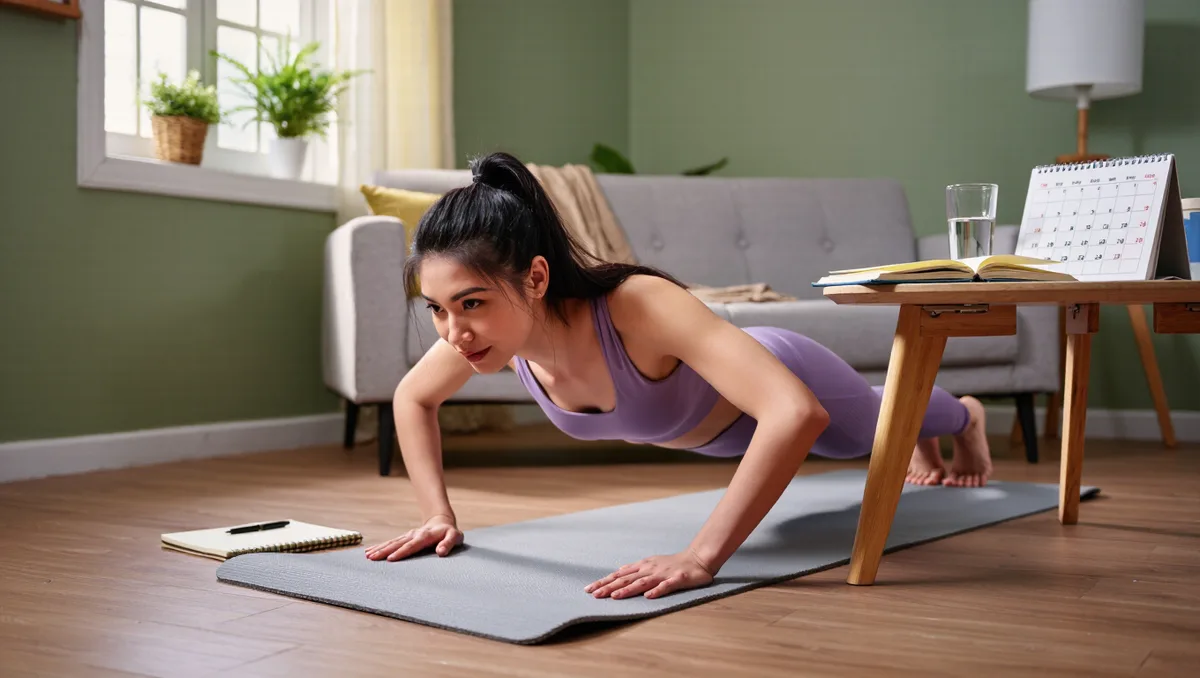
Active recovery is exercise at an intensity the body can sustain without added stress. Heart rate stays well below race pace. Breathing stays easy. The 2026 review describes it as a method used to speed lactate clearance, a use the data could not confirm. The tested sessions look like this: We covered a connected angle in Creatine between sessions: does it speed recovery?.
- an easy spin on a stationary bike
- a relaxed walk or an easy swim
- light mobility work at low effort
- technique drills run at half speed
The definition matters. Study results apply to light sessions like these, not to a full gym day. Swimming laps at chat pace fits the bill. Sprint repeats do not.
Does an easy session clear fatigue faster?
The classic claim says light motion speeds lactate clearance after hard intervals. A 2026 network meta-analysis pooled 16 trials with 273 participants. It found passive rest outranked active recovery on blood lactate across five trials. That ranking is the opposite of the classic story.
The authors note the lactate data mix different measures. Clearance rates and late concentrations were pooled together. That makes the comparison hard to read. On performance the picture is sharper. An easy session between hard efforts sat inside the range the authors pre-set as clinically unimportant. The effect was near zero.
Does easy motion ease muscle soreness?
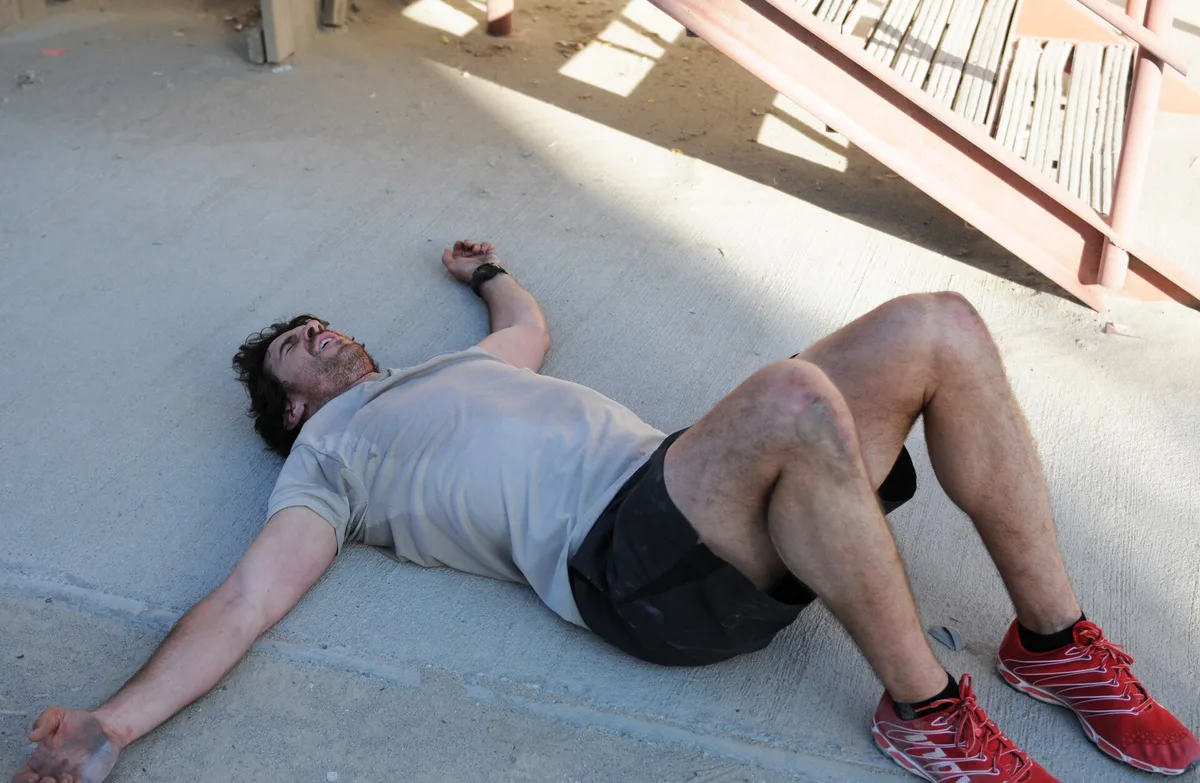
Delayed onset muscle soreness is pain and stiffness felt in muscles after unaccustomed or strenuous exercise. It builds over the first day. It peaks within 24 to 72 hours. It usually fades within about seven days.
The review found no method beat passive rest for soreness. That held across five trials, and the spread between studies was extreme. Easy motion may feel soothing. Measured soreness did not drop more than with rest. The timeline follows the damage from the session, not the next-day plan.
Why easy days still earn their place
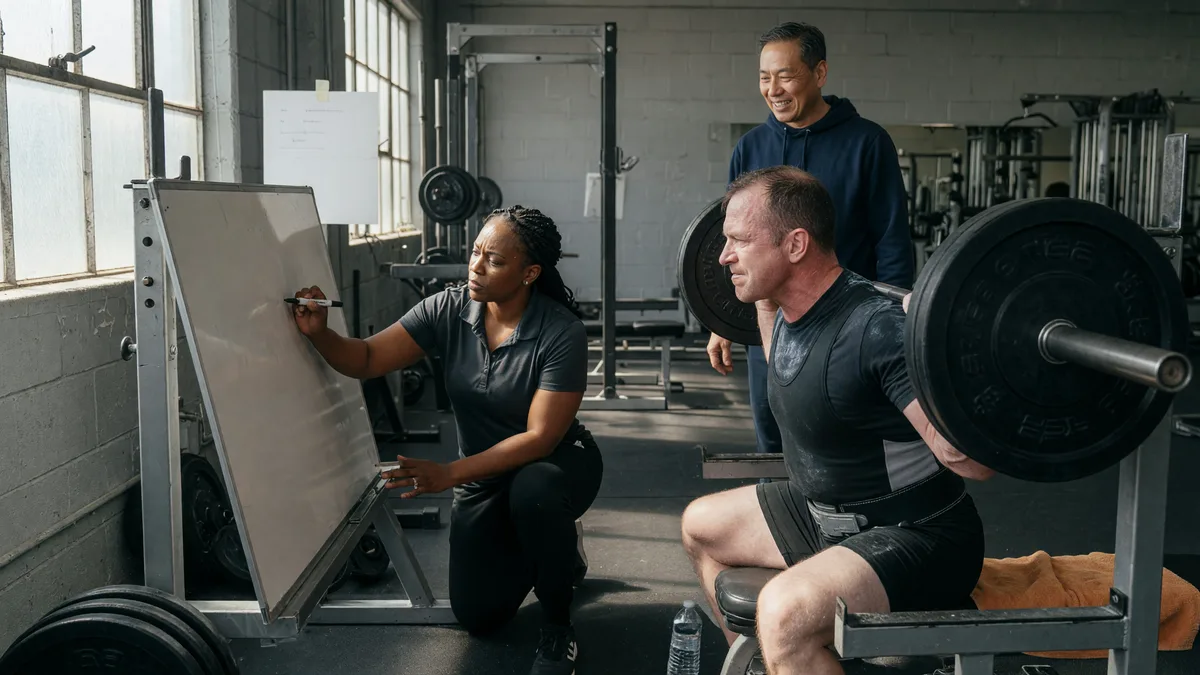
MedlinePlus notes that the body adapts to the activity practiced most often. Progress comes from building load slowly and mixing workouts, according to the same guidance. A low-intensity day adds practice volume without much strain. That is an argument about training structure, not about rest physiology.
Easy days also carry scheduling value. They keep a routine intact when a full session does not fit. The value is consistency over months, not repair over hours. That is a calendar fact, not a claim about physiology.
When to talk to a clinician
Soreness after a new or harder session is common. It typically fades within a week. Pain that is sharp, or that lingers past that window, deserves a professional look. Numbness or swelling at rest also calls for care. MedlinePlus advises checking with a health care provider first when movement, balance, or safety is a concern.
Conclusion: what to watch in the research
The honest summary is a negative one. No recovery method, easy sessions included, has been shown to beat plain rest in trained endurance athletes. The review's authors call for larger, sham-controlled trials. Until then, no method can be recommended on efficacy.
Work worth watching includes studies that separate lactate measures. Trials with confirmed elite rosters would help too. The review names both gaps. Until then, an easy day is pleasant practice, not a repair tool. This article is for informational purposes only and is not medical advice — for personal decisions, talk with your own clinician.