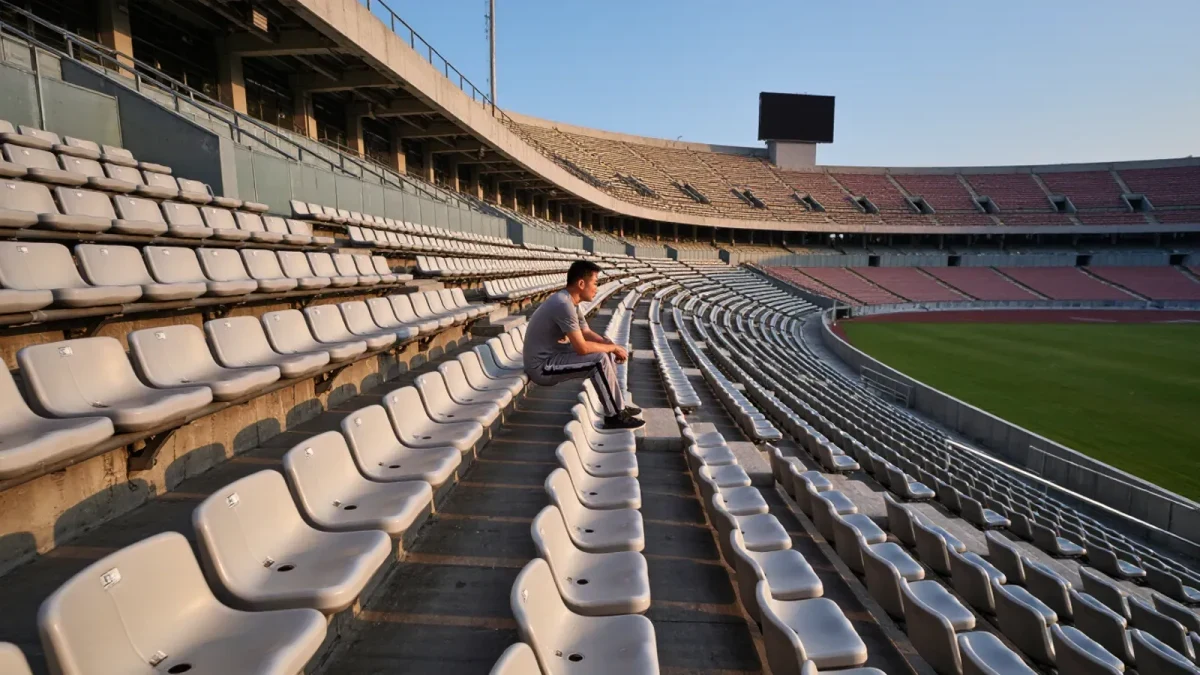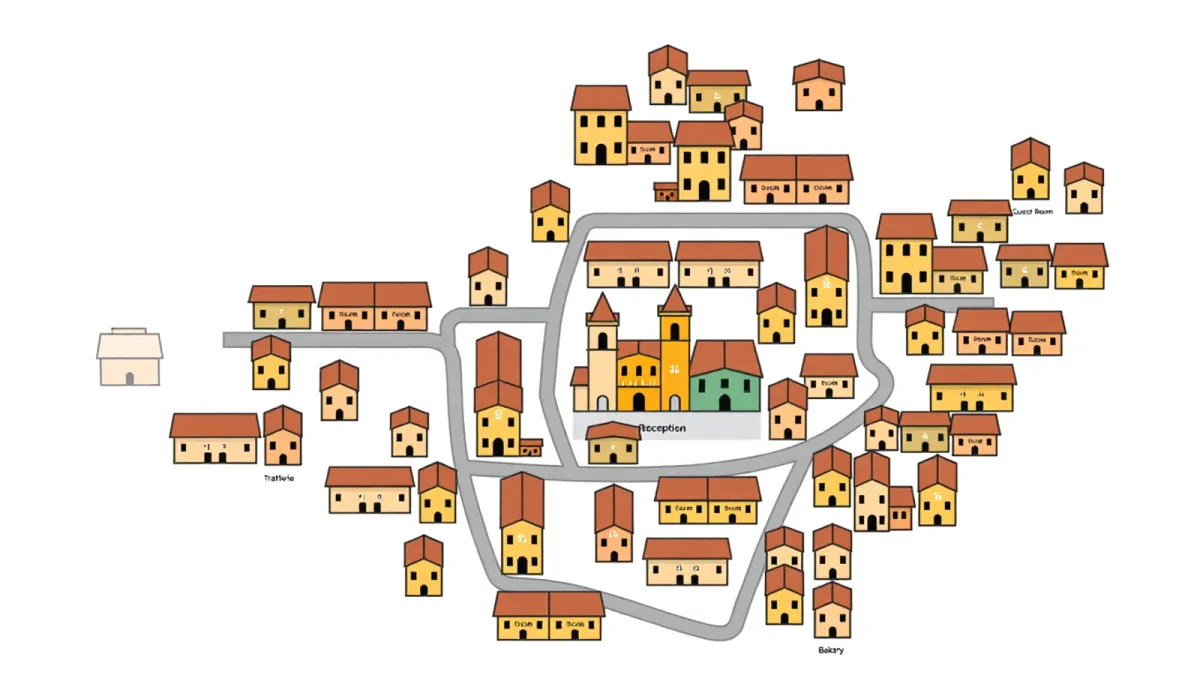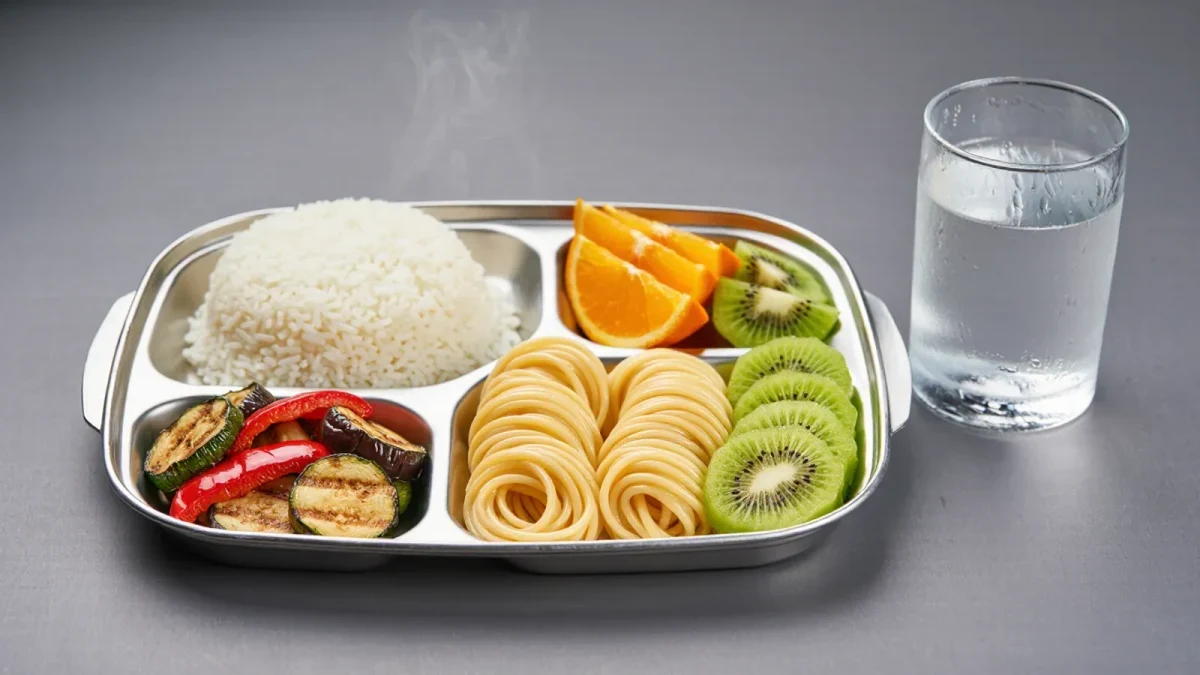
An Olympic Village dining hall is one of the largest catering operations assembled anywhere: recent summer Games villages housed on the order of 10,000 or more athletes and team staff, with organizing committee reports describing dining halls running around the clock and serving hundreds of thousands of meals across a Games. Paris 2024's organizing committee, for example, publicly documented a village dining operation serving thousands of seats across multiple cuisine stations, with stated sustainability targets including more plant-based offerings. The scale is the story: dozens of cuisines, sport-specific needs and cultural requirements, all served in one building for four weeks.
24 News Click publishes information, not medical advice. Individual athlete nutrition planning belongs to credentialed sports dietitians and clinicians.
How is a village dining hall organized?
Reporting and organizing-committee documentation from recent Games describe a consistent template: a main buffet divided into cuisine zones — for Paris 2024, organizers described French, Asian, African-Caribbean and international stations, among others — plus halal, kosher and allergen-managed service, and dining open 24 hours so athletes in late finals or early transport slots can eat on their schedule. A permanent team of dietitians reviews menus, and dishes carry nutritional labeling. Winter Games run smaller villages — Milan Cortina 2026 plans multiple villages across its mountain clusters, per organizing committee material published before the Games — but the same station logic applies at smaller scale.
What do athletes actually eat there?
Organizing committees publish broad figures rather than athlete-level data, and recent Games reports describe daily tonnage of fruit, eggs, pasta and bread in the tons rather than precise menus, so figures circulating online deserve caution. What is documented: carbohydrate-centered eating dominates, with performance-nutrition teams from major delegations describing their athletes' reliance on the staple stations — rice, pasta, potatoes, bread — supplemented by delegation chefs and, for some teams, food brought from home. Surveys of athlete nutrition at Games, and the IOC's dietary-supplement consensus, both note that elite athletes increasingly travel with their own products for two reasons: familiarity and contamination control.
Why do teams bring their own food?
Two documented reasons recur in team-staff accounts and IOC materials. First, certainty: athletes eat best what they have trained on, and a menu change during the highest-stakes week of a career is a risk some teams decline. Second, supplements: the IOC consensus statement on dietary supplements in the high-level athlete documents that supplement contamination with prohibited substances is a real, recurring hazard of manufacturing, and teams subject to anti-doping testing manage this by sourcing certified batches in advance or shipping them to the village. Anti-doping education from WADA and national agencies adds the general warning that athletes are responsible for what is in their samples, including anything from a communal shelf.
What about the plant-based shift?
Paris 2024 made the increase of plant-based options an explicit, stated sustainability commitment, with organizers publicly reporting that a substantial share of menu options were vegetarian — an organizing-committee claim, reported here as such. The sports-nutrition evidence on plant-based eating for athletes, per position-stand reviews, supports it as viable with attention to protein quantity and quality, iron and vitamin B12 — needs documented in the vegetarian-athlete literature and by the NIH Office of Dietary Supplements for the individual nutrients. The village shift is therefore a catering story with a nutrition footnote, not a performance revolution: no Games data show plant-based menus changed results.
What happens to food safety and allergies?
Organizing committees document allergen labeling and separation protocols, and villages operate under host-country food-safety inspection. Medical teams staff villages with pharmacy and clinical services, per IOC operational requirements. For athletes with celiac disease, allergies or religious dietary law, the station model exists precisely so that a single hall can serve a global population — an operational solution the Games have refined over decades of reporting.
How did Paris 2024 handle Ramadan?
Paris 2024 overlapped with Ramadan, and Games-time reporting documented how the village and organizing committee adapted: dining service adjusted to provide pre-dawn and post-sunset meal options for fasting Muslim athletes and staff, alongside the around-the-clock baseline service. Fasting elite athletes during a Games is a studied situation in its own right — the sports-nutrition literature on Ramadan includes observations of athletes maintaining training while fasting, with performance effects varying by event, timing and the individual. The village's 24-hour model is precisely what made the accommodation practical: food is available whenever the fasting window closes, which a standard catering schedule could not do.
What do team dietitians actually do at a Games?
Performance-team accounts from recent Games describe the dietitian's job as part tour guide, part auditor. New arrivals walk the dining hall with team staff to map the staple stations against each athlete's tested race-week foods; allergy and celiac protocols are verified with the catering operation; label claims on any product in the village shop are checked rather than trusted, per the IOC's supplement consensus; and travel-day food is planned so qualification rounds are not fed from airport improvisation. The documented failure modes dietitians describe are mundane: unfamiliar foods tried out of curiosity in the final week, and under-eating from nerves. The fix is the same in both cases — a pre-planned menu built on foods the athlete has already trained on, an approach the evidence on competition nutrition consistently supports.
What does the village not provide?
The honest answer in team accounts: stillness and privacy. Dining halls are crowded, noisy and social — a documented complaint in athlete reporting from recent Games — and performance teams have adapted with quiet rooms, room-service options for athletes in later competition phases, and staggered meal timing away from peak crowds, per organizing-committee and team-staff descriptions. Food-adjacent services fill the remaining gaps: village shops stock familiar products, and medical and pharmacy facilities operate under host-country regulation with IOC requirements, per Games operational documentation. The lesson performance staff draw in published accounts is consistent: the village supplies abundance, and the professional skill is choosing from it — the same conclusion this publication's evidence summaries keep reaching about nutrition generally.
How big is the food-service operation behind it?
The scale, per organizing-committee figures published for recent Games, is industrial: village kitchens for summer Games have reported daily service in the hundreds of thousands of meals across the Games period, staffed by thousands of food-service workers, with ingredient volumes measured in tonnes per day. Winter Games run smaller villages — Milan Cortina 2026 distributes athletes across mountain sites, per organizing-committee plans published before the Games — so the kitchen footprint divides rather than shrinks in ambition. The planning lead time is measured in years: menus are tested, sampled with national Olympic committees and adjusted for cultural, medical and logistical feedback before a single athlete arrives, per Games catering documentation. It is catering as infrastructure, planned with the seriousness of a transport network.
What can a recreational athlete take from this?
The transferable, evidence-backed habits the village model illustrates: eat familiar, tested foods around competition; keep carbohydrate staples central when training load peaks; label and control what enters a performance kitchen; and treat supplements with the same caution the Olympic movement documents. None of that requires a 24-hour dining hall — just the planning one embodies.
The dining hall is the quietest venue at any Games, and the most used. Its real lesson, per everything teams and organizers have documented, is that elite performance eating is mostly logistics done in advance.