Vegetarian and vegan athletes can meet full athletic protein targets from plants, but the task differs from omnivorous planning in three measurable ways: plant proteins average less leucine — the amino acid that triggers muscle protein synthesis — plant foods carry more calories per gram of protein, and digestibility is somewhat lower. The Academy of Nutrition and Dietetics' 2016 position paper on vegetarian diets states that well-planned vegetarian and vegan diets can support athletic performance, with attention to these details.
24 News Click publishes information, not medical advice. Dietary changes with a medical condition in the picture belong with a clinician or registered dietitian.
Why is leucine the amino acid everyone mentions?
Leucine acts less as a building block and more as a signal. It activates a pathway in muscle cells, studied since the 2000s, that switches on muscle protein synthesis after a meal. Trials by Rennie, Phillips, and colleagues estimated that a meal needs roughly 2 to 3 grams of leucine to reach a near-maximal response in young adults.
Animal proteins typically reach that threshold in a modest portion: dairy, eggs, meat, and fish are rich sources. Many single plant proteins get there only in larger portions. Soy is the standout plant source; rice, oat, pea, and wheat proteins generally carry less leucine per gram of total protein.
What did the soy-versus-whey trials find?
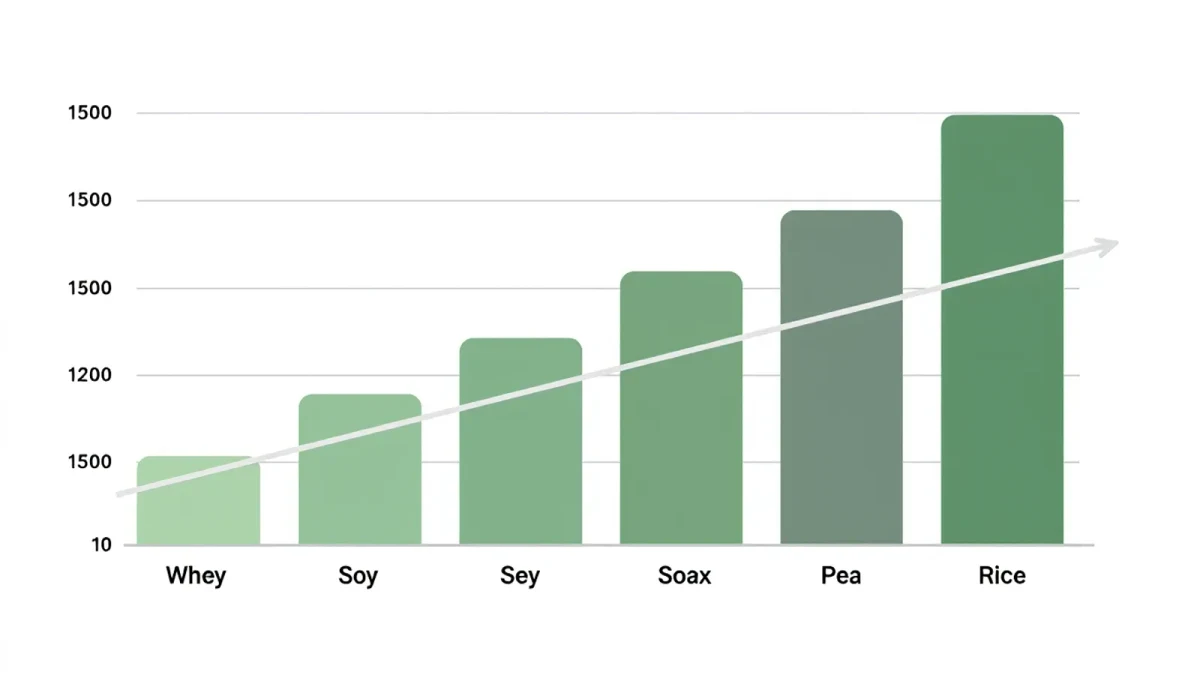
Direct comparison trials show a real but bridgeable gap. A 2012 study by Yang and colleagues in older men found that about 40 grams of soy protein stimulated muscle synthesis about as much as roughly 20 grams of whey — the larger plant dose matching the smaller animal dose. A 2009 trial by Tang and colleagues in young men found whey produced a higher peak response than both soy and casein after resistance exercise.
The practical reading, echoed in sports-nutrition reviews, is that plant doses roughly 20 to 30 percent larger can achieve comparable responses, particularly for older athletes, whose muscles respond less to any protein and who may need even more per meal.
Do plant proteins need to be combined at each meal?
The old strict rule — pairing beans with rice at every meal — is not supported. The Academy of Nutrition and Dietetics position paper concludes that plant proteins can supply all essential amino acids across a varied day of eating, because the body maintains an amino-acid pool between meals. What matters at meal level for muscle is the leucine threshold described above.
Complementation still helps practically. Legumes are relatively low in the sulfur-containing amino acids that grains have in abundance, and vice versa, so mixed meals raise protein quality. Blended products exploit this: a 2013 trial by Reidy and colleagues found a soy-dairy blend stimulated muscle synthesis in a way that suggested the combination performed at least on par with whey alone at the matched dose.
How much protein do vegetarian athletes need?
The target range does not change: the joint position stand of the Academy of Nutrition and Dietetics, Dietitians of Canada, and the American College of Sports Medicine recommends 1.2 to 2.0 grams per kilogram per day for athletes, and a 2018 meta-analysis by Morton and colleagues found gains plateau near 1.6 grams. Some researchers suggest plant-based athletes aim toward the upper end to offset lower digestibility, a reasonable but not definitively tested adjustment.
Hitting those numbers from plants takes volume. A 70-kilogram athlete targeting about 110 grams of daily protein can get there with soy foods, legumes, seitan, quinoa, and dairy or eggs for vegetarians, but the calorie cost is higher than with lean meat, which matters for athletes managing weight.
What about protein quality scoring?
Quality is scored by digestibility and amino-acid completeness. Under the older PDCAAS method, soy protein rates as a complete protein comparable to animal sources, while most cereal and legume proteins rate lower. The newer DIAAS method, favored by the Food and Agriculture Organization since 2013, scores most plant proteins lower in general, partly because it uses ileal digestibility and excludes fiber effects less generously.
For a mixed diet over a full day, the scoring differences blur. Sports-nutrition reviews note that total protein and leucine-per-meal explain most of the practical difference between plant and animal plans, which is what the meal-building advice below addresses.
What does a high-protein vegetarian training day look like?
The evidence-aligned pattern is a leucine-relevant protein source at each of three to five meals: soy milk or tofu at breakfast, lentils or beans with grains at lunch, seitan, tempeh, pea-protein blends, or dairy for vegetarians at dinner, with a fortified plant protein powder as an option for convenience. Pea and rice protein blends are common because their amino-acid profiles complement each other.
Whole-food first remains the position-stand stance, with powders framed as convenience. The Mayo Clinic maintains general guidance on vegetarian eating patterns as background for readers weighing the shift.
What else should plant-based athletes watch?
Beyond protein, the nutrients flagged for vegetarians and vegans in the Academy's position paper include vitamin B12, which must be supplemented or fortified for vegans; iron and zinc, whose plant forms are absorbed less readily; omega-3 fats in the absence of fish; and calcium and vitamin D when dairy is excluded. None of these invalidate plant-based eating for athletes; they define the checklist that distinguishes a planned vegetarian diet from an unplanned one.
What does the evidence not show?
The evidence does not show that plant protein builds less muscle when total protein and per-meal leucine are matched — direct long-term trials are few. It also does not show that any single plant source is optimal; blends and variety do the work. And the louder marketing claims on both sides of this topic outrun the small trial base.
How do vegetarian athletes handle training days with two sessions?
Two-a-day training days compress the eating window. With roughly four to six hours between sessions, the evidence-aligned pattern is a recovery meal immediately after the first session containing a full leucine-relevant dose of protein plus carbohydrate, followed by a second full protein feeding before the evening session. For plant-based athletes, this is where a fortified soy milk smoothie or a pea-rice blend powder genuinely helps, because eating two large legume-and-grain meals inside a few hours exceeds many athletes' appetite.
The protein distribution research summarized earlier applies with extra force here: total daily targets of 1.2 to 2.0 grams per kilogram do not fall from the sky on double sessions, when energy needs can exceed 4,000 kilocalories. Reviews of vegetarian athlete nutrition consistently report that the athletes who struggle are those who eat plant-based casually, without planning portions, rather than those who treat meals as part of training.
Practical staple foods cited in sports-dietetics resources include tofu at around 12 grams of protein per 100 grams, cooked lentils near 9 grams per 100 grams, and seitan among the densest plant sources at roughly 25 grams per 100 grams.
FAQ
Can vegetarian athletes build as much muscle as meat eaters?
Probably yes, with planning. Position statements say well-planned vegetarian diets support athletic performance, and the soy-versus-whey trials suggest comparable muscle responses when plant portions are somewhat larger. Head-to-head long-term training studies in vegetarians remain limited.
How much more plant protein is needed per meal?
Work by Yang and colleagues suggests roughly 20 to 30 percent more soy protein to match a whey dose in older adults. A common evidence-aligned tactic is aiming for a bit more total protein per meal from varied plant sources to clear the leucine threshold.
Do beans and rice need to be eaten together?
No. The Academy of Nutrition and Dietetics states essential amino acids can be balanced across the day. Pairing still helps meals reach a strong amino-acid profile sooner, so mixed meals are convenient even if not mandatory.