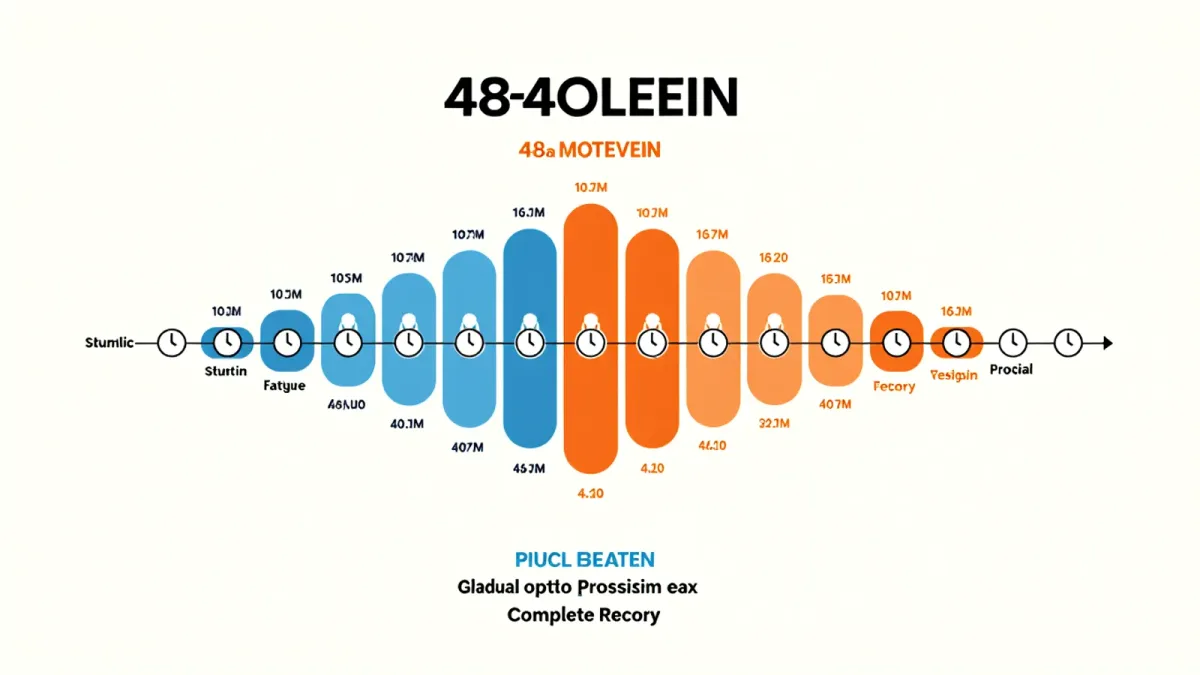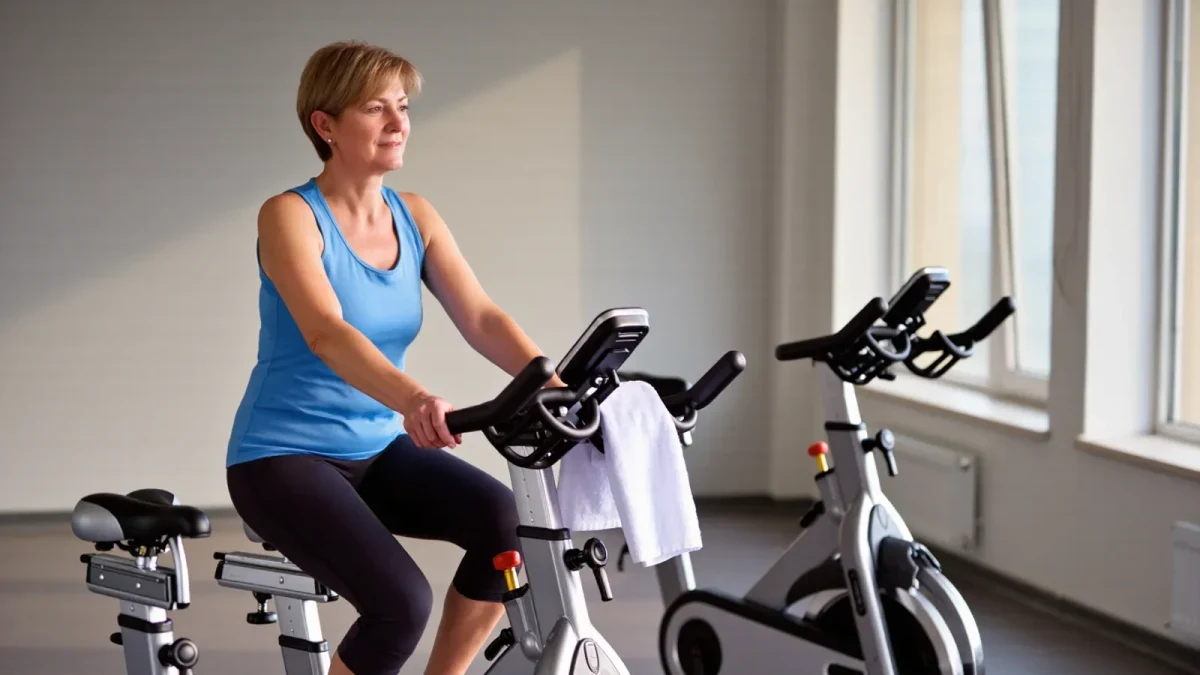
Active recovery — very light movement such as easy cycling, jogging or swimming in the hours or day after hard exercise — beats complete rest for clearing blood lactate and, in some small controlled trials, preserved power output on a second effort better than sitting still. For the outcomes athletes care about most — soreness, muscle damage and adaptation — the evidence is weaker and more mixed, and no good trial shows that forcing movement on a wrecked body speeds repair.
24 News Click publishes information, not medical advice. Pain, injury and fatigue decisions belong with a qualified clinician or coach.
What did the classic cycling trials find?
The cleanest evidence comes from laboratory cycling studies. In a 2000 study by Monedero and Donne, published in the Journal of Sports Medicine and Physical Fitness, athletes completed two exhausting efforts separated by a recovery window spent doing either passive rest, active recovery at a gentle pace, or a combination including massage. The active-recovery condition maintained significantly better power output in the second effort, alongside faster blood lactate removal.
A 2004 study by Spierer and colleagues at Columbia University, using repeated sprint cycling, found the same pattern: easy spinning between efforts preserved subsequent sprint performance better than passive rest and cleared lactate faster. These studies are small — a dozen or fewer participants — but controlled and directly relevant to repeated-effort sports: tournament play, track sessions with long intervals, stage racing.
Why does lactate matter here — and why doesn't it?
The lactate finding is the most replicated effect in active-recovery research, and it comes with an important caveat that sports science has spent decades correcting. Blood lactate rises sharply during hard exercise, but it is not a damaging toxin or the cause of next-day soreness — it is a fuel shuttle that the heart, liver and muscles consume. Lactate clears on its own within about an hour of stopping, even at rest.
Light movement speeds that clearance because working muscles keep consuming lactate as fuel. That is a real physiological effect with a real benefit when the next effort comes within the same day. It says nothing about muscle fiber repair, inflammation or soreness the following morning — outcomes lactate does not drive. Trials that measured damage markers and perceived soreness after active recovery show mixed, mostly small effects.
What does the pooled evidence say about soreness and damage?
In the Dupuy and colleagues 2018 meta-analysis in Frontiers in Physiology, which compared recovery technique families, active recovery showed weaker and less consistent effects on perceived recovery and soreness than massage, compression or cold water immersion. Some individual trials report lower soreness with next-day light exercise; others find no difference from rest; a few note that soreness temporarily decreases while moving and returns afterward.
The plausible explanation is sensory: gentle movement briefly changes how the nervous system signals discomfort from damaged muscle, without altering the repair process itself. That makes active recovery a comfort tool on sore days, not an accelerator of healing — a distinction rarely made in recovery marketing.
Is complete rest ever the better choice?
Yes, in specific situations the literature and clinical practice both recognize. Illness with fever, acute injury, sharp or localized pain, and non-functional overreaching — a state of accumulated fatigue where performance declines for weeks — all call for genuine rest, and exercising through them can worsen outcomes. Reviews of overtraining in sports medicine consistently list monotonous loading and insufficient recovery as contributing factors, and none recommend forcing active recovery on an athlete showing declining performance and disturbed sleep.
For ordinary post-training fatigue in a healthy athlete, complete rest is not harmful — it is simply slower at restoring short-term readiness for a second effort, and no better or worse for soreness on the pooled evidence.
| Outcome | Active recovery vs rest | Best evidence |
|---|---|---|
| Blood lactate clearance | Consistently faster | Cycling trials, e.g. Spierer et al. 2004 |
| Same-day second effort | Better power preserved | Monedero and Donne 2000 |
| Next-day soreness | Mixed, small effects | Dupuy et al. meta-analysis, 2018 |
| Muscle repair and adaptation | Not demonstrated either way | No adequate trials |
What intensity counts as active recovery?
The trials that showed benefits used genuinely light work — commonly around 30 percent of maximum aerobic capacity or a conversational pace, roughly blood-lactate levels at or just above resting values. In the Spierer study the recovery spin was easy enough that it would barely register as training. Going harder does not help: research on recovery intensity shows that moderate or hard effort during the recovery window adds fatigue and slows lactate clearance relative to gentle movement.
Practically, the studied intensities map to a flat spin, an easy walk-jog, light swimming or mobility work — twenty to forty minutes in most protocols. There is no evidence that any specific modality is superior; the common ingredient is light rhythmic use of the muscles without adding load.
What about the day after heavy lifting?
Between hard resistance sessions, light activity on sore days is defensible but not compelling as a recovery booster. Trials show exercising sore muscles at reduced intensity does not harm repair, and soreness often feels lower during and shortly after the session. What is missing is evidence that this translates into faster strength recovery or better adaptation over a training block. The repeated-bout effect — the adaptation that makes the same session hurt less over time — does more for a lifter's soreness trajectory than any recovery-day choice studied so far.
Does active recovery affect adaptation?
A subtle distinction separates two claims. The supported claim: light movement between efforts preserves immediate performance. The unsupported claim: active recovery improves the training adaptation itself — the rebuilding that makes an athlete fitter over weeks.
No controlled trial has tested long-term adaptation with and without easy recovery sessions between hard ones, and exercise physiology gives reasons for caution in both directions. Added easy volume can contribute to aerobic development in beginners; it also adds mechanical load to already-damaged tissue. Reviews therefore treat the adaptation question as open, and programs that prescribe mandatory recovery circuits are following tradition rather than trial data.
A final note on language: recovery intensity is the variable the trials actually manipulated. Calling a hard spin a recovery ride is a labeling error with measurable consequences — moderate work in the recovery window performed worse than gentle work in the studies cited here. The correct comparison for any athlete is simple: could the session be comfortably held as a conversation from start to finish? If not, it is training wearing a recovery costume.
How should an athlete choose?
The evidence supports a simple split. When a second effort is coming within hours — tournament matches, stage races, double training days — light active recovery in between is the better-supported choice for readiness. When the next hard session is a day or more away, the choice between a gentle walk and the sofa is largely a preference question on current evidence, provided the athlete is healthy.
Two boundaries keep the decision honest: active recovery must be genuinely light, or it becomes additional training load; and fatigue that deepens for weeks despite rest belongs in medical hands, not in another easy spin.