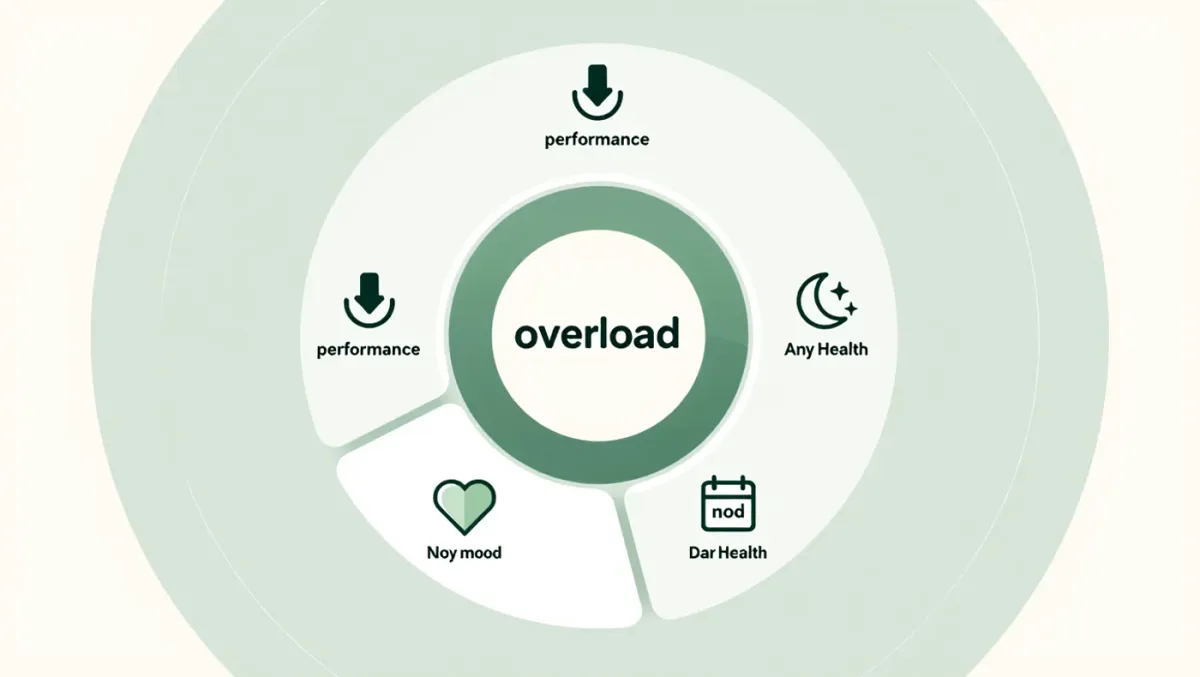
Low energy availability, or LEA, is the state in which food energy after exercise leaves too little to run basic body functions. The International Olympic Committee's consensus statements, first in 2014 and updated in 2018, define the umbrella condition as relative energy deficiency in sport, RED-S, linking LEA to impaired bone health, hormone disruption, immunity, and performance. The threshold most cited from early research sits below roughly 30 kilocalories per kilogram of fat-free mass per day, though individual vulnerability varies widely.
24 News Click publishes information, not medical advice. Suspected RED-S needs a physician — diagnosis is clinical, and this article only describes published findings.
What is energy availability?
Energy availability is dietary energy intake minus exercise energy expenditure, expressed relative to fat-free mass. It is the energy left over for everything besides training: cell repair, hormone production, bone turnover, temperature regulation, and the menstrual cycle in women.
The concept came out of Anne Loucks's laboratory work in the 1990s and 2000s, which showed that below a threshold, the body scales back physiological processes — luteinizing-hormone pulsatility fell in women within days of restricted intake. The original Female Athlete Triad model, described by the American College of Sports Medicine as early as 1992 and updated in 2007 and 2014, connected low energy availability with menstrual dysfunction and low bone density in a chain.
What are the documented warning signs?
The IOC's 2018 statement lists markers across several systems. Frequent illness and slow healing of minor injuries reflect immune suppression. Recurring stress fractures and low bone-mineral density reflect impaired bone turnover. Menstrual dysfunction — missed or absent periods — remains the clearest single sign in women, and the ACSM Triad position stand treats it as a red flag, never a normal side effect of training.
Other documented signals are subtler: persistent fatigue out of proportion to training, plateaued or declining performance despite consistent work, poor sleep, irritability, and in clinical measurement, a suppressed resting metabolic rate. Surveys in endurance and aesthetic sports find athletes often under-report or under-recognize their own deficit, which is why objective markers matter.
Why does LEA hit endurance and weight-sensitive sports hardest?
Prevalence studies reviewed in the IOC statements find LEA concentrated in sports with high energy expenditure, aesthetic judging, weight classes, and lean-body-image cultures: distance running, cycling, gymnastics, dance, rowing lightweight events, and combat sports. Male athletes are affected too, with documented low testosterone in cyclists and runners, a finding the 2018 IOC update emphasizes against the older female-only framing.
The deficit often arises accidentally in endurance athletes — appetite lags behind the energy cost of 20-plus weekly training hours — and deliberately in weight-sensitive sports. Both paths converge on the same physiology.
What happens to bone health?
Bone is hormonally regulated, and LEA suppresses the hormones that maintain it: estrogen in women, testosterone in men, and the metabolic hormones that carry the signal to bone cells. The ACSM Triad position stand describes reduced bone mineral accumulation in young athletes and elevated fracture risk, with some athletes losing bone at ages when they should be banking it.
Ihle and Loucks's work in the early 2000s demonstrated markers of impaired bone formation within days of energy restriction in young women. The Eunice Kennedy Shriver National Institute of Child Health and Human Development maintains public background on the female athlete triad that summarizes this chain for general readers.
Does LEA affect performance measurably?
Yes, despite the weight-loss logic that motivates much underfueling. The IOC statements summarize impaired training response, reduced endurance, poor recovery, and loss of strength. Trials in athletes undergoing caloric restriction, including work on brief severe deficits, show degraded protein balance and training quality.
The paradox is well documented in the endurance literature: athletes chasing power-to-weight ratios through chronic underfueling often lose more performance to underfueling than they gain from being lighter. RED-S screening tools built for teams, such as the IOC's model, treat performance decline as a primary screening item.
How is LEA detected?
There is no single lab test. Screening combines a nutrition and training history, menstrual history in women, illness and injury patterns, and blood work that may include hormones and metabolic markers, interpreted by a sports physician. Resting metabolic rate measured against prediction equations can flag suppression.
Self-screening questionnaires, including the LEAF-Q validated in female endurance athletes, exist for team settings. They raise flags; they do not diagnose. The evaluation is medical, and the IOC framework expects a multidisciplinary team: physician, dietitian, and in some cases psychologist.
What does the evidence not show?
The evidence does not show a universal threshold where every athlete becomes deficient; the roughly 30 kilocalories per kilogram figure is a research average from controlled studies, not a personal number. It also does not show that intentional short fasted sessions cause RED-S — the condition reflects chronic, not occasional, deficit. What it does show, consistently, is that underfueling plus training measurably damages hormones, bone, and performance.
How is RED-S treated in practice?
The IOC framework places restoring energy availability at the center of treatment: more food, less training, or both, with the mix decided by a sports physician and dietitian. Multi-disciplinary teams are the stated model, because the condition touches medicine, nutrition, and in many cases the psychology of food and body image, particularly in aesthetic and weight-sensitive sports.
Recovery has a documented timeline. Menstrual cycles often return within months of restored energy availability, while bone density rebuilds far more slowly, and some bone loss — especially in adolescents who underfueled during peak bone-building years — does not fully reverse. Stress fractures may need load management on their own schedule, layered on top of the energy correction.
Return-to-play decisions in the IOC model weigh bone health, hormonal markers, and eating behavior together, not just pain. That breadth is deliberate: the medical literature describes athletes cleared on symptoms alone who re-fractured quickly, which is the failure mode the multi-system screening is built to catch.
A note on screening tools
Field tools help teams but carry limits. The LEAF-Q, validated in female endurance athletes, flags risk from menstrual history, injuries, and gastrointestinal function in a short questionnaire. Broader screens built around the IOC model add eating-behavior questions, since disordered eating sits at one end of the LEA spectrum and changes the clinical pathway. Neither tool replaces blood work and a physician's judgment; they narrow who gets looked at first.
FAQ
Can male athletes develop RED-S?
Yes. The IOC's 2018 update explicitly includes men, with documented low testosterone, impaired bone health, and performance loss in endurance athletes. Female athletes remain at higher risk and show the menstrual signal earliest.
Is a missed period normal during heavy training?
No. The ACSM Female Athlete Triad position stand treats menstrual dysfunction as a warning sign of low energy availability requiring medical evaluation, not a routine effect of hard training. It is one of the clearest early markers described in the literature.
Can RED-S be fixed by eating more?
The primary treatment in the literature is restoring energy availability through increased intake and often reduced training, guided by a physician and dietitian. Recovery of hormones and bone takes months to years, which is why early recognition matters.