The Milan Cortina 2026 Winter Olympics, scheduled for 6–22 February 2026, place several medal events in mountain venues that sit well above 1,200 metres, with courses climbing higher still. For endurance events such as cross-country skiing and biathlon, the evidence indicates two nutrition pressures that rarely arrive together: less oxygen in the air and more heat lost through breathing cold, dry air. Eating for altitude is therefore not one adjustment but several, and the strongest evidence supports fewer of them than supplement marketing suggests.
24 News Click publishes information, not medical advice. Athletes planning altitude work with health conditions, especially iron-related ones, should do so with a qualified clinician.
What does altitude actually change in the body?
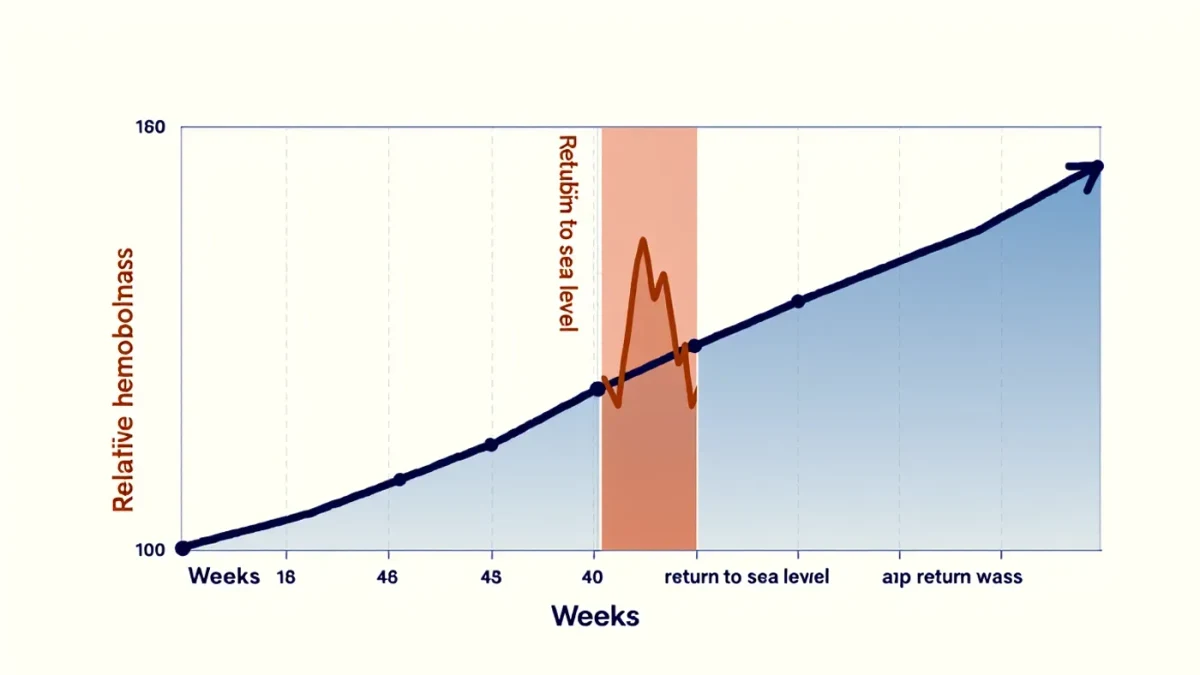
Above roughly 1,500 metres, the partial pressure of oxygen in blood falls, and the body responds over days to weeks by producing more red blood cells — the reason endurance teams train at altitude. That response depends on iron availability: the National Institutes of Health Office of Dietary Supplements notes that iron is required for hemoglobin production and that needs can rise when red-cell production increases. This is the basis for the iron focus in altitude nutrition, and also the reason it belongs in clinical territory: iron status is measured with blood tests, and supplementation without measured deficiency is not supported by the evidence and carries its own risks per NIH risk documentation.
Does carbohydrate matter more at altitude?
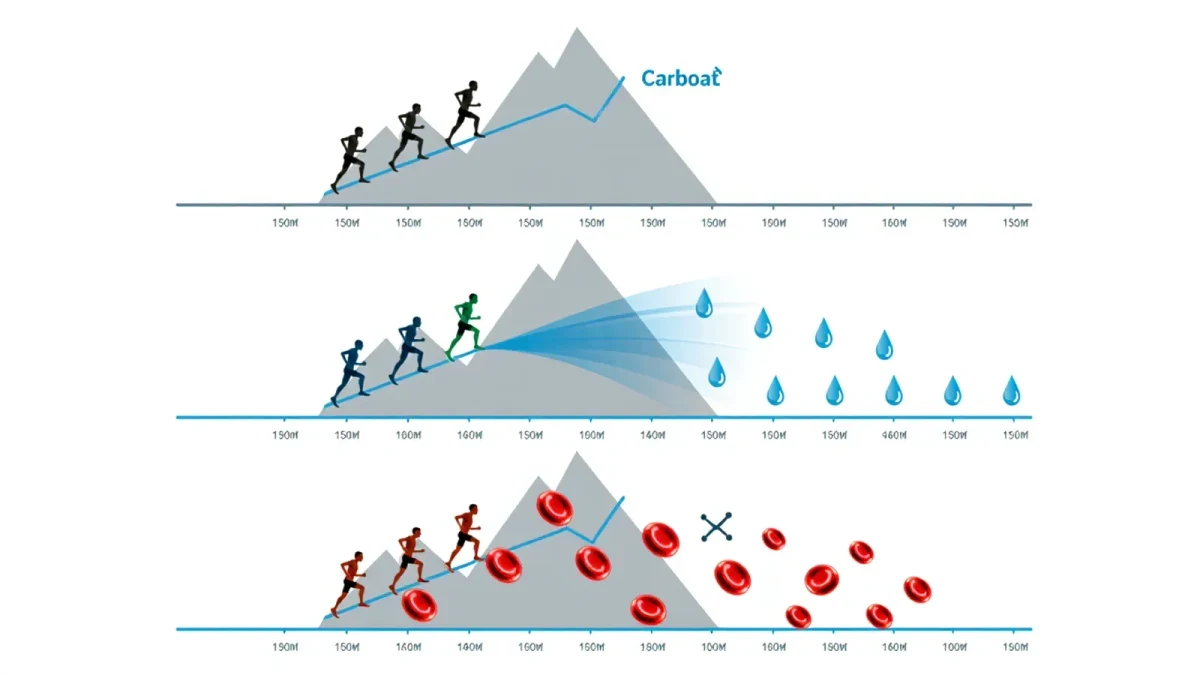
The research consensus, summarized in position stands from sports nutrition bodies such as the American College of Sports Medicine, indicates that exercise at altitude shifts fuel use toward carbohydrate. In plain words, the body leans harder on carbohydrate as a fuel when oxygen is scarce, so winter endurance athletes at mountain venues tend to target the upper end of their usual carbohydrate range rather than a fundamentally different diet. Studies in cross-country skiers and biathletes, the populations most relevant to a Games like Milan Cortina, generally report carbohydrate intakes in the range of 6 to 10 grams per kilogram of body weight per day during heavy training blocks — an attributed range from the sports-nutrition literature, not a recommendation for any individual reader.
Why is dehydration a risk in the cold?
Cold air holds little moisture, and every breath of it is humidified in the lungs before being exhaled, which means fluid is lost with every breath — a process respiratory physiologists call insensible loss. Add heavy clothing that produces sweat during hard efforts and reduced thirst response in cold weather, and winter athletes can arrive at the start line measurably dehydrated without ever feeling thirsty. Cold-environment research on skiers and military populations consistently reports both mechanisms. Practical countermeasures described in that literature are unglamorous: structured drinking at set intervals rather than thirst-driven sipping, and warm or room-temperature fluids to make intake more tolerable in the cold.
Do athletes need more calories overall?
Generally yes, though less from the altitude itself than from the cold and the training load. Energy expenditure estimates for cross-country skiers during hard training periods are among the highest recorded in sport, and cold exposure adds to it through shivering and the cost of warming inspired air. The practical consequence reported by teams preparing for mountain venues is that under-eating at altitude is the more common error, not over-eating, and that appetite often lags behind actual needs — a mismatch some researchers link to mild altitude-related appetite suppression. This is also why reduced energy availability, and its documented consequences for hormones and bone health, is a recognized risk in winter endurance sport, particularly for athletes in weight-sensitive disciplines.
What about supplements at the Games?
For Olympians, the supplement question carries an extra layer: anti-doping. The International Olympic Committee's consensus statement on dietary supplements in high-level athletes concludes that supplement use is widespread but that evidence of benefit is strong for only a few products, while contamination with prohibited substances remains a documented hazard of the industry. Iron is the one altitude-relevant nutrient where testing and clinical supervision change the decision, per NIH guidance; the rest of the altitude nutrition story is built from food, fluids and planning. Athletes subject to testing who do use products are directed by anti-doping education materials toward third-party certified ones.
How do biathletes and cross-country skiers eat on race day?
Race-day structure for the mountain endurance events is documented in the biathlon and cross-country literature: a carbohydrate-centered meal about three hours before the start, a small top-up close to racing, and recovery food within the first hour afterward, when muscle glycogen resynthesis is most efficient. A 2025 review of biathlon fueling published in the peer-reviewed literature describes session carbohydrate targets scaling with intensity and duration — roughly 30 to 90 grams per session across typical training and racing loads, an attributed range from that review rather than guidance for any reader. Between races at a multi-event Games program, the same literature emphasizes the recovery window, since medal opportunities can sit a day or two apart at most.
Does caffeine work in the cold and at altitude?
Caffeine is among the best-evidenced ergogenic aids in sport, per meta-analyses and the IOC consensus on supplements in elite athletes, with documented benefits for endurance, power and skilled performance. Cold does not remove the effect, and exercise at altitude is one of the contexts where caffeine has been studied directly, with reviews reporting preserved endurance benefit at elevation. Effects vary between individuals, and teams at a Games manage timing so a morning dose does not interfere with sleep before the next race — a documented practical concern in multi-event programs. No dosing guidance belongs in an evidence summary; athletes work with their teams.
What should a recreational mountain athlete take from this?
The transferable findings are plain ones. Training or racing at mountain elevations raises carbohydrate and fluid needs, and cold blunts the thirst that would normally prompt drinking, so a plan beats thirst. Iron is the one altitude nutrient where testing changes decisions, and that is clinical work, not shopping. Appetite can lag behind energy needs at altitude, which makes regular meals a discipline rather than an inclination. And nothing in the evidence supports altitude supplement stacks; the athletes best prepared for thin air are those who spent time in it, ate enough in it, and let adaptation do the physiology. A weekend skier does not need an Olympian's logistics — only the same respect for cold, altitude and appetite that the mountain quietly enforces anyway.
What does the evidence not show?
No good evidence supports altitude-specific supplement stacks marketed to skiers and climbers. Claims for rapid altitude adaptation from single nutrients remain unproven in controlled trials; adaptation is a function of time spent at elevation. And the classic altitude illness risk for athletes arriving quickly at venues above 2,000 metres is managed with ascent rate and, in some documented cases, prescription medications — decisions that belong to medical teams, not nutrition articles.
The Milan Cortina program, with sprint and distance events in the mountains of the Dolomites region, is a useful reminder that the Winter Olympics are an altitude project as much as a snow one. The athletes best prepared for it will be those who treated iron status, carbohydrate, fluids and energy as measurable planning items — with clinicians — rather than reactions to thin air.